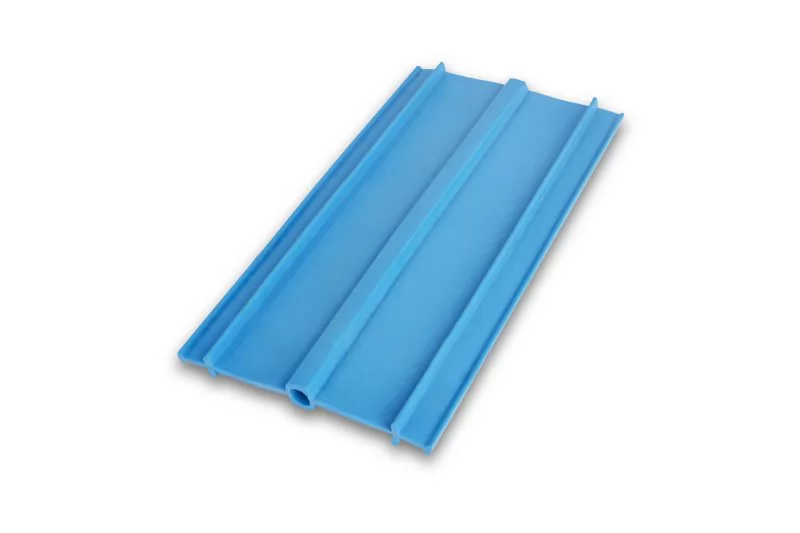


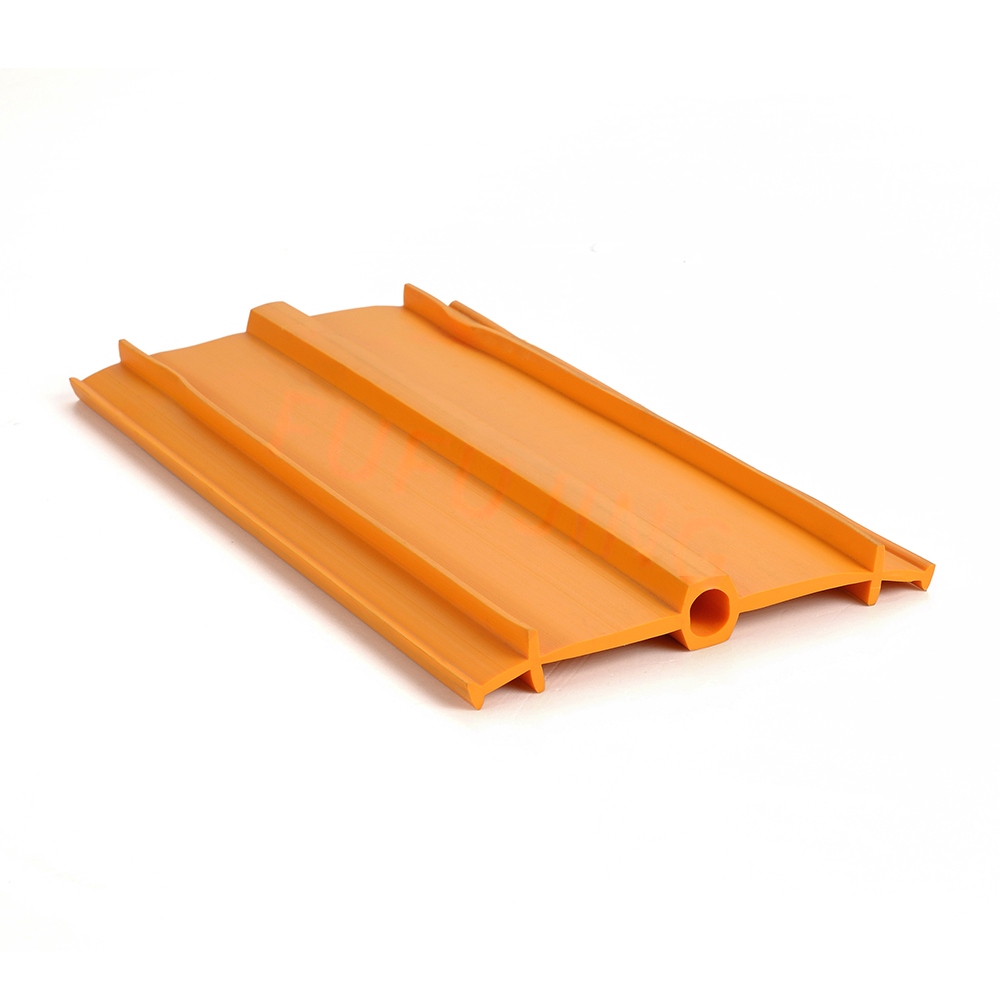


BC Series PVC Waterstop — Internal Expansion Joint
- MaterialPVC (Polyvinyl Chloride)
- Joint TypeExpansion / Shearing Joint
- PlacementInternal (center-set)
- ColorBlue
- Size Range150 mm – 500 mm width
- Models8 sizes (BC150 – BC500x10)
Contact Us Now
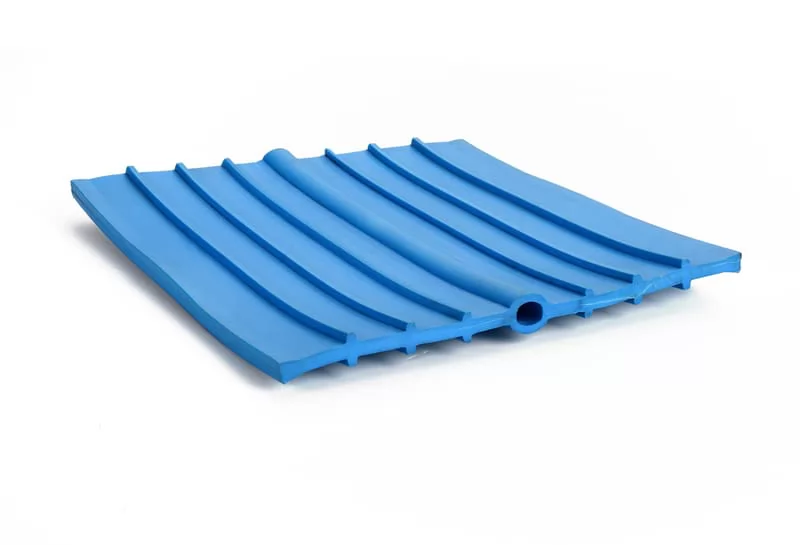
BC series waterstop strips belong to the internal (center-set) PVC waterstop family. Each profile is built around a hollow center bulb flanked by two ribbed wings that anchor into the surrounding concrete. As the joint opens, closes, or shifts laterally, the center bulb flexes and stretches to absorb the movement while the ribbed wings remain locked in place, maintaining a continuous watertight seal along the full length of the joint.
This design makes the BC series suitable for structural movement joints where some degree of ongoing expansion, contraction, or shear displacement is expected — as opposed to static construction joints, which use a flat-profile waterstop without a center bulb.
Because the BC profile is placed centrally within the concrete cross-section, it must be positioned and tied off before the first concrete pour and again before the matching pour on the opposite side of the joint. The ribbed wings and corrugated profile increase the bond length between the waterstop and the surrounding concrete, reducing the risk of water tracking along the strip's surface.
Typical applications include reservoirs, water treatment and sewage structures, dams and spillways, underground tunnels, basements, retaining walls, and other below- or above-grade concrete structures where expansion joints are designed into the structural layout.
Simplified cross-section: the center bulb spans the joint gap while ribbed wings anchor into each concrete pour.
The BC series is available in eight width and configuration options, sized to suit different joint widths and expected movement ranges. Wider profiles with reinforced flange ends (designated "x8" or "x10") are typically specified for larger structures or greater anticipated joint displacement.
| Model | Overall Width (mm) | Overall Height / Thickness (mm) | Product Image |
|---|---|---|---|
| BC150 | 150 | 20 |
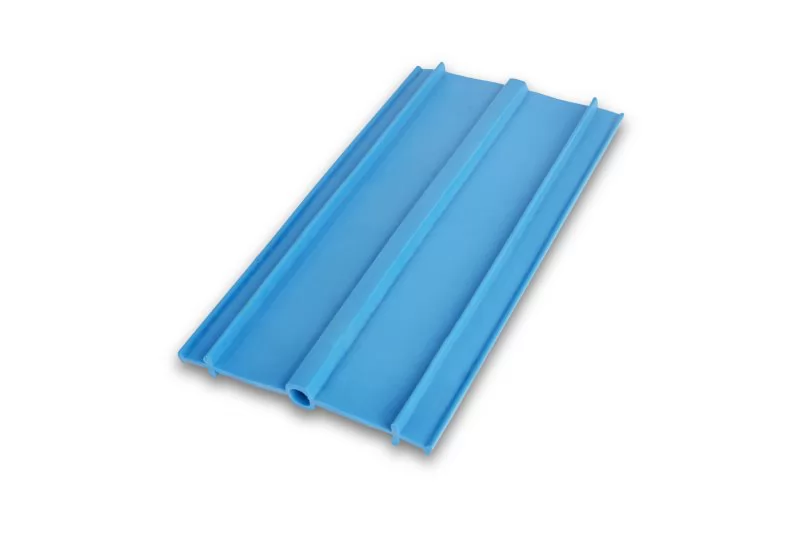
|
| BC200 | 200 | 20 |
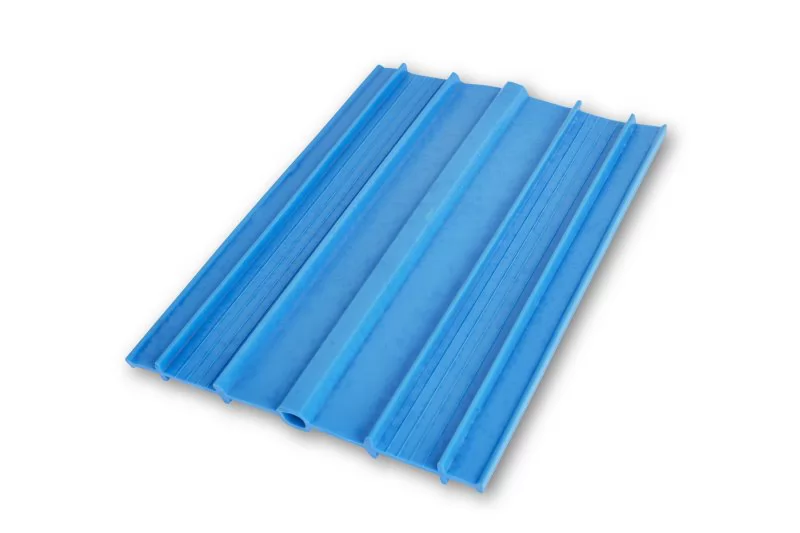
|
| BC250 | 250 | 24 |
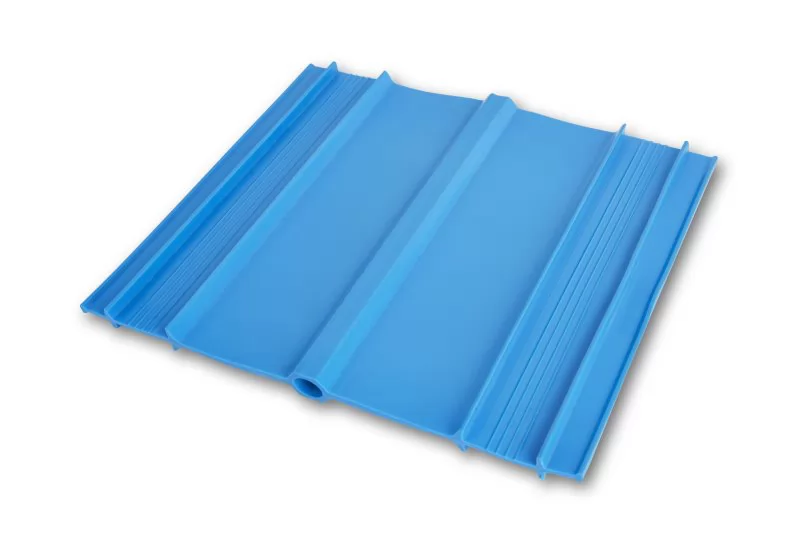
|
| BC300 | 300 | 24 |
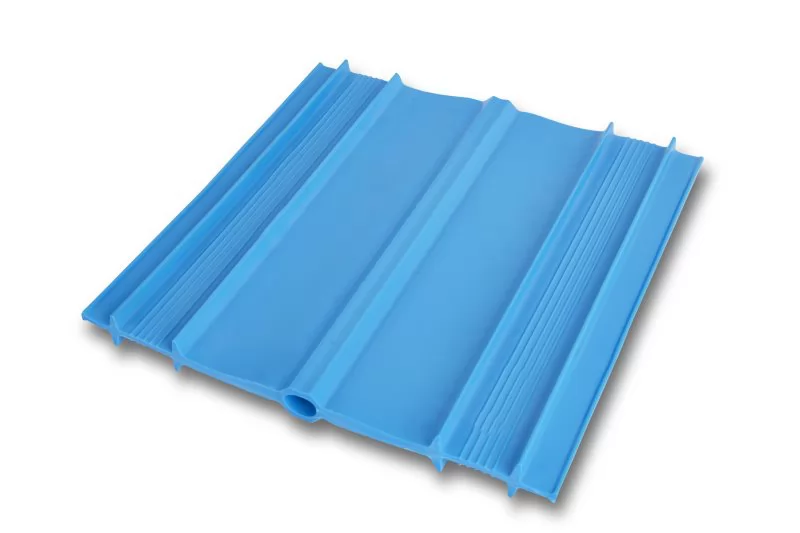
|
| BC330 | 330 | 24 |
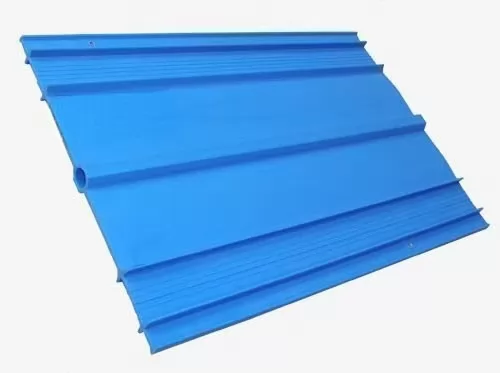
|
| BC300x8 | 300 | 17 |
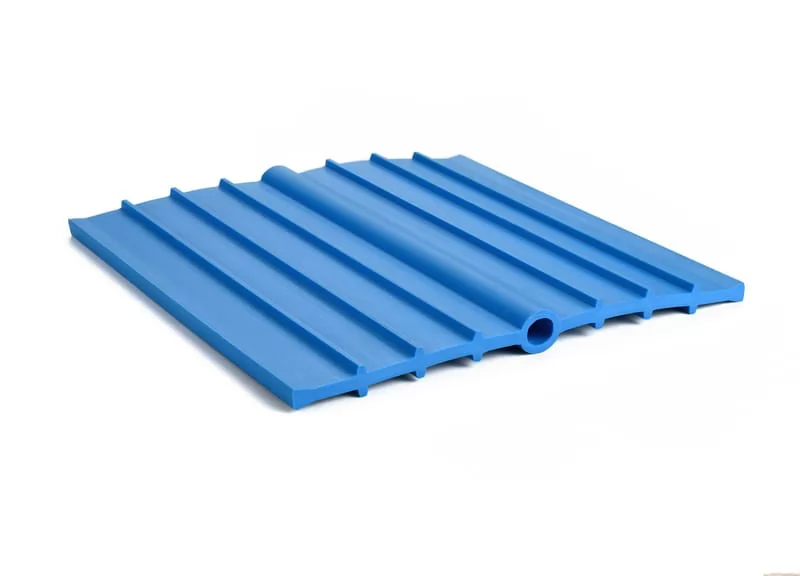
|
| BC300x10 | 300 | 20 |
|
| BC500x10 | 500 | 55 |
|
| Dimensions are nominal manufacturing values and may vary within standard tolerance. Roll length and packaging available on request — see inquiry form below. | |||
All BC series waterstops are extruded from PVC compound and tested against ASTM standard methods for the properties below.
| Property | Type I | Type II |
|---|---|---|
| Shape | Thermoplastic extrusion ribbon | Thermoplastic extrusion ribbon |
| Color | Blue | Blue |
| Hardness | 70–90 Shore A | 70–90 Shore A |
| Tensile Strength | ≥ 12 MPa | ≥ 14 MPa |
| Elongation at Break | ≥ 250% | ≥ 320% |
| Density | ≥ 1,300 kg/m³ | ≥ 1,300 kg/m³ |
| Water Absorption | ≤ 0.5% | ≤ 0.5% |
| Toxicity | Non-toxic | Non-toxic |
BC series internal expansion joint waterstops are specified wherever reinforced concrete structures include designed movement joints and require a watertight barrier across the joint. Common project types include:
Expansion joints are designed into a structure specifically to allow for movement caused by thermal expansion, settlement, or seismic activity. The BC series' center-bulb profile is intended for exactly this scenario. If the joint in question is a non-moving construction joint (a planned interruption in a single continuous pour with no ongoing movement expected), a flat-profile waterstop without a center bulb is typically the more appropriate and economical choice.
The BC series includes a center bulb designed to flex with ongoing joint movement, making it suitable for expansion and shearing joints. Flat-profile waterstops, by contrast, have no center bulb and are intended for static construction joints where no significant movement is expected after the concrete cures.
Size selection depends on the joint width specified in your structural drawings and the expected range of movement. Wider, reinforced profiles (such as BC300x10 or BC500x10) are generally specified for larger structures or greater anticipated displacement. Share your project drawings via the inquiry form below and our team can help confirm the appropriate model.
The PVC compound used in BC series waterstops is tested as non-toxic per the physical properties listed above. Confirm specific regulatory or certification requirements for your jurisdiction and application with our team prior to specification.
Yes. Factory-fabricated corner, tee, and cross fittings can be produced to match your joint layout, in addition to standard straight-run rolls. Provide your joint layout details in the inquiry below.

DV Series PVC Waterstop is a dumbbell-profile internal construction joint waterstop used in reinforced concrete structures where a continuous watertight seal is needed across movement joints.

SV Series PVC Waterstop is an internal construction joint waterstop used in reinforced concrete structures where a continuous barrier is required across a non-moving construction joint.

SO Series PVC waterstop is an internal expansion joint waterstop for reinforced concrete structures where a continuous watertight barrier is required across movement joints. The center-bulb profile is embedded centrally within the concrete pour and flexes to accommodate expansion, contraction, and shear displacement along the joint line.
