Home/ Products / PVC Waterstop / Internal PVC Waterstop
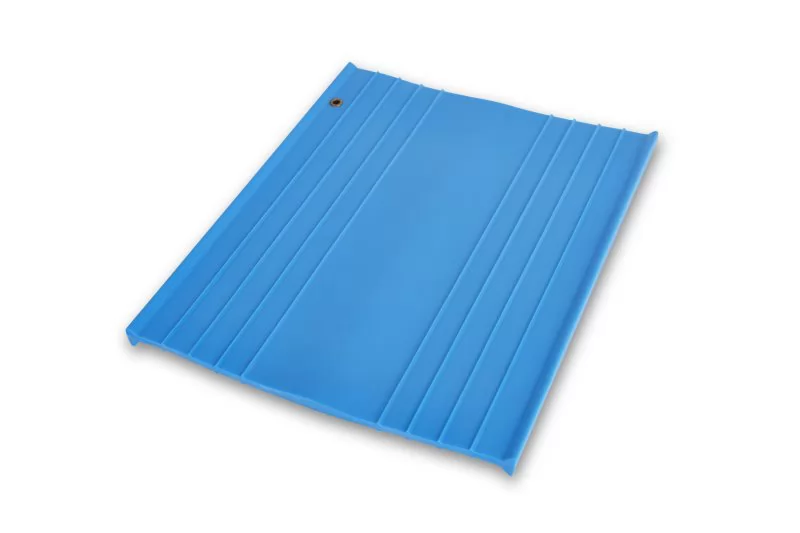
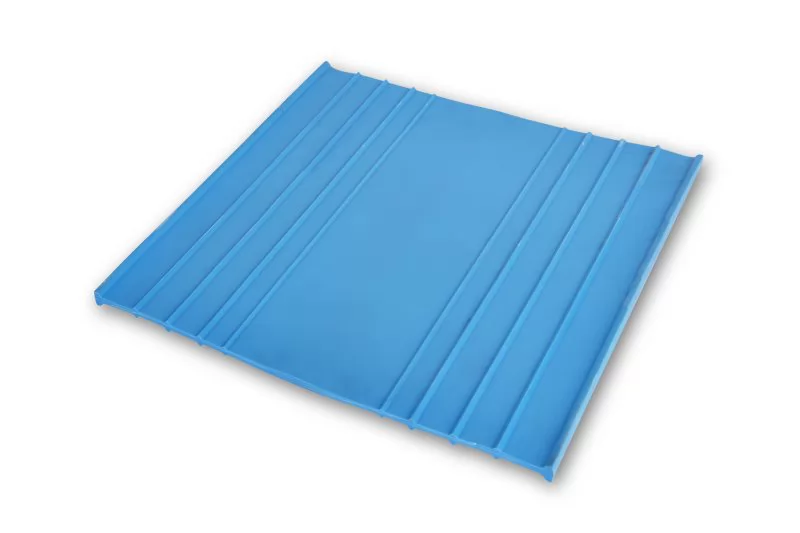
SV Series PVC Waterstop — Internal Construction Joint

SV Series PVC Waterstop — Internal Construction Joint

  • Product typeInternal construction joint PVC waterstop
  • InstallationEmbedded centrally in the concrete joint
  • Primary useStatic construction joints in concrete structures
  • Common sizesSV200, SV250, SV320
Contact Us Now

Overview

The SV Series PVC Waterstop is intended for internal construction joints in reinforced concrete structures where a continuous watertight barrier is required across the joint line. The profile is installed centrally in the concrete section and embedded in both pours so that the joint remains sealed while the concrete work is completed.

In the internal PDF reference material, this product family corresponds to the V Series under Internal Construction Joint. For catalog presentation, it is summarized here as the SV Series for practical product-page use.

Unlike an expansion-joint waterstop, the SV Series is typically used where the joint is intended to remain essentially static after the concrete has hardened. The profile is therefore suitable for construction joints where the main requirement is continuity of the watertight barrier rather than movement accommodation.

This page provides a general product summary, sizing guidance, and application context. Final selection should be confirmed against the project drawings and approved technical documentation.

How the SV Series Works

Concrete Pour A Concrete Pour B Construction Joint

Simplified section view showing the waterstop embedded in the concrete section across a construction joint.

Key points

  • Internal placement — the strip is positioned within the joint line so it remains integrated into the concrete section.
  • Static joint use — the profile is generally selected where joint movement is limited or not expected after the initial pour.
  • Barrier continuity — a continuous run helps reduce water passage through the construction joint.
  • Detailing attention — corners, intersections, and changes of direction should be reviewed carefully in the project detail.

SV Series Size Chart

The SV Series is commonly summarized in nominal widths of 200 mm, 250 mm, and 320 mm. The table below provides a practical reference for product catalog use and early specification planning. Exact dimensions and tolerances should be confirmed against the approved technical drawing.

SV Series internal construction joint waterstop — common size summary
Model Nominal Width (mm) Typical Profile Height (mm) Application Note
SV200 200 20 Suitable for standard internal construction joints in typical reinforced concrete works.
SV250 250 24 Commonly used where a wider profile is preferred for a larger joint detail.
SV320 320 24 Recommended for larger joint layouts or projects with higher water-tightness demands.

Typical Applications

The SV Series is typically specified for concrete structures where a continuous barrier is required across a construction joint. Common application areas include:

  • Water treatment and wastewater structures
  • Reservoirs and water storage tanks
  • Basements, underground structures, and tunnels
  • Retaining walls and other reinforced concrete elements with construction joints

SV Series vs. Expansion Joint Waterstop

An expansion joint waterstop is generally used where the joint is expected to move after concrete curing. The SV Series is more appropriate where the joint is intended to remain essentially static and the main requirement is barrier continuity.

Installation Guidance

  1. Position the profile correctly. Place the waterstop centrally in the joint line before the first concrete pour.
  2. Secure the strip. Keep it aligned and fixed so it does not move during concrete placement.
  3. Embed fully in concrete. Ensure the profile is fully surrounded by concrete on both sides of the joint.
  4. Review detail changes. At corners, tees, and direction changes, confirm that the continuity detail is suitable for the project.

Installation Notes

  • Avoid punctures, gaps, or twisting during handling and installation.
  • Keep the profile clean and free from contaminants before embedment.
  • Confirm the final model selection with the approved drawing set and project requirements.

Related Internal Waterstop Content

Frequently Asked Questions

What is the SV Series used for?

The SV Series is used for internal construction joints in reinforced concrete structures where water-tightness across the joint line is important.

Which size should be selected?

Size selection should be based on the project’s joint details, structural drawings, and expected movement. Common catalog references include SV200, SV250, and SV320.

Is the SV Series suitable for water-retaining structures?

Yes, it is commonly considered for structures where the joint detail needs to limit water passage, subject to project-specific design requirements.

Can the profile be used at corners and intersections?

Yes, but the design detail should be reviewed carefully so the joint remains continuous and the installation method is appropriate.

0
Comments
Share your thoughts   Showing 6 of 0 reviews
Leave a Comment
Your email address will not be published. Required fields are marked *
Name can't be empty
Email error!
Submit Comment

Get in Touch with Us

Name can't be empty
Email error!
Message can't be empty
Captcha Error!
Send Your Message

Related Products

Contact Us Now
Name can't be empty
Email error!
Message can't be empty
Send Message