PVC Water Stopper Price Guide: What Affects the Cost Per Meter?
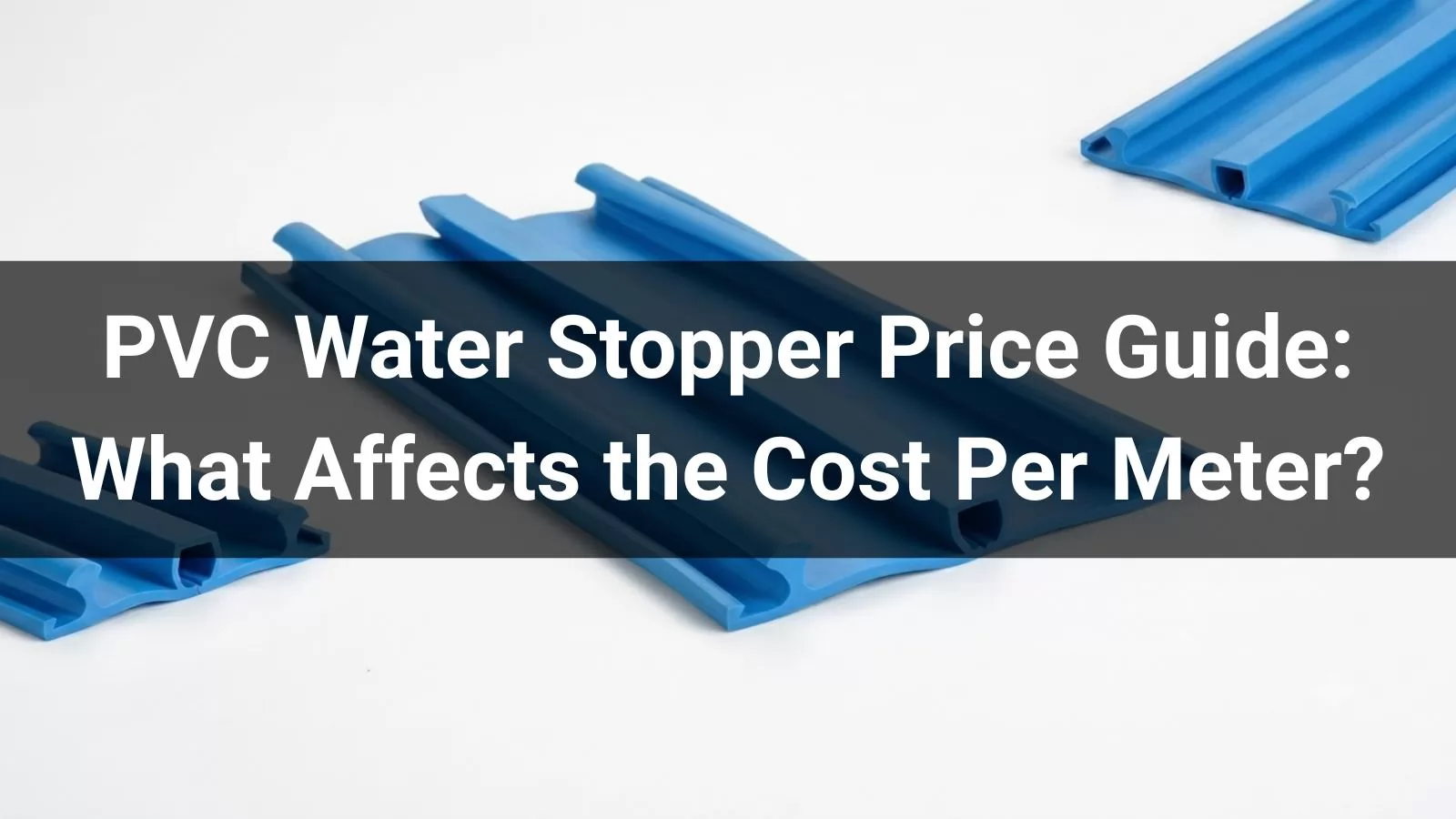
When sourcing PVC waterstops for construction projects, one of the first questions buyers ask is: "How much does a PVC water stopper cost per meter?"
Unfortunately, there isn't a single answer. PVC waterstop prices can vary significantly depending on factors such as material quality, profile design, dimensions, manufacturing standards, order quantity, and shipping method. Two products that look similar at first glance may differ greatly in performance—and in price.
For contractors, distributors, engineering companies, and procurement managers, understanding what drives these price differences is essential. Choosing the lowest-priced option may reduce your initial purchasing cost, but it can increase the risk of leakage, premature failure, and expensive repairs throughout the life of a structure. On the other hand, paying more doesn't always guarantee better value if the product specifications exceed the actual project requirements.
This guide explains the major factors influencing PVC waterstop pricing and provides practical advice to help global buyers compare quotations more effectively. Whether you're purchasing for a hydroelectric dam, tunnel, wastewater treatment plant, bridge, basement, or commercial building, you'll learn how to evaluate costs beyond the price tag and select products that deliver long-term performance.
| Table of Contents | |
|---|---|
| 1 | |
| 2 | |
| 3 | |
| 4 | |
| 5 | |
| 6 | |
| 7 | |
| 8 | |
| 9 | |
| 10 | |
| 11 | |
| 12 | |
What Is the Average PVC Water Stopper Price Per Meter?
One of the most common questions from first-time buyers is: How much does PVC waterstop cost per meter?
The answer depends on multiple technical and commercial factors. Unlike standardized commodities, PVC waterstops are manufactured in numerous profiles, widths, thicknesses, and material formulations to meet different engineering requirements. As a result, there is no universal market price.
Generally speaking, international buyers may encounter quotations ranging from approximately USD 1 to more than USD 10 per meter, depending on the product specification, order volume, and supplier. Standard construction joint waterstops with smaller dimensions are typically priced at the lower end of the range, while large expansion joint profiles with higher material consumption and more complex geometries command higher prices.
Several additional factors also influence the final quotation, including:
- Width (150 mm to 500 mm or more)
- Thickness (typically 4–10 mm)
- Profile design
- Virgin PVC versus recycled PVC content
- Tensile strength and elongation requirements
- Production tolerances
- Testing and certification requirements
- Order quantity
- Packaging method
- Shipping destination
For example, two waterstops with the same width may have different prices simply because one uses a center bulb for expansion joints while the other is designed for construction joints. Likewise, products manufactured from premium virgin PVC compounds generally cost more than those containing recycled materials, but they often provide better flexibility, weather resistance, and long-term durability.
Therefore, instead of asking: "What is the cheapest PVC waterstop?" Professional buyers usually ask: "Which PVC waterstop provides the best value for my project?" This shift in perspective helps procurement teams balance performance, service life, and total project cost rather than focusing solely on the lowest purchase price.
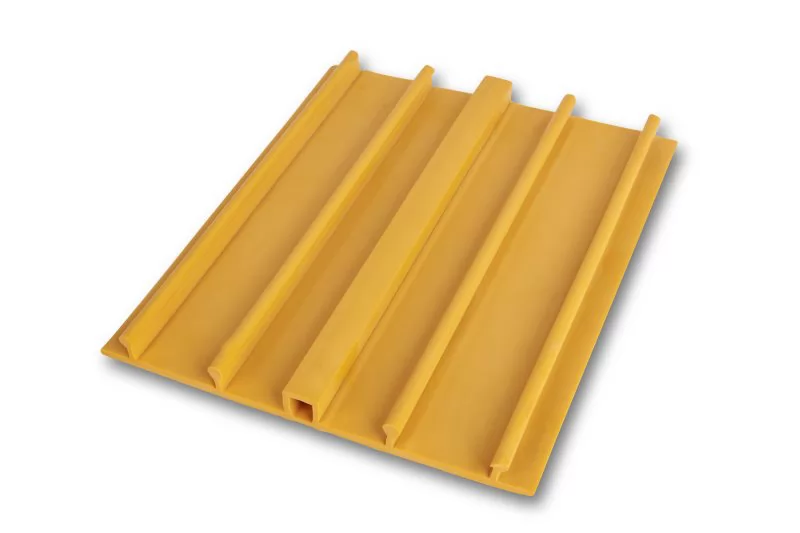
Why Do PVC Waterstop Prices Vary So Much?
Many buyers are surprised to receive quotations from different manufacturers that vary by 30%, 50%, or even more for products that appear nearly identical in photos.
In reality, PVC waterstop pricing reflects far more than raw material consumption. Each quotation is the result of numerous technical decisions made during product design and manufacturing.
Some suppliers focus on producing economical products suitable for general construction projects, while others specialize in premium waterstops for demanding infrastructure applications such as subway systems, dams, reservoirs, nuclear facilities, and wastewater treatment plants. These products often require stricter quality control, enhanced formulations, and more rigorous testing, all of which contribute to higher production costs.
Price differences commonly arise from the following aspects:
1. Material Formulation
PVC compounds are not identical. Manufacturers may use different proportions of virgin resin, recycled material, plasticizers, stabilizers, and other additives. Higher-quality formulations generally improve flexibility, tensile strength, aging resistance, and resistance to chemical exposure, but they also increase manufacturing costs.
2. Product Geometry
More complex profiles require larger extrusion dies, greater material consumption, and tighter dimensional control. Expansion joint waterstops with center bulbs and multiple ribs are generally more expensive than simpler flat or dumbbell designs.
3. Manufacturing Precision
Maintaining consistent thickness, width, and profile dimensions throughout long production runs requires advanced extrusion equipment and experienced operators. Manufacturers investing in modern production lines often achieve better consistency but incur higher operating costs.
4. Quality Assurance
Reliable manufacturers conduct routine inspections for dimensions, tensile strength, elongation, hardness, and appearance. Some buyers also require third-party laboratory testing or compliance with specific national or international standards, which further affects pricing.
5. Service and Support
Technical consultation, custom profile development, mold design, flexible packaging options, export documentation, and after-sales service are often included in quotations from experienced manufacturers. While these services may increase the purchase price slightly, they can reduce procurement risks and improve project efficiency.
Ultimately, the lowest quotation is not always the most economical choice. A product that fails prematurely can lead to water leakage, structural repairs, project delays, and significantly higher lifecycle costs than the initial savings achieved during procurement.
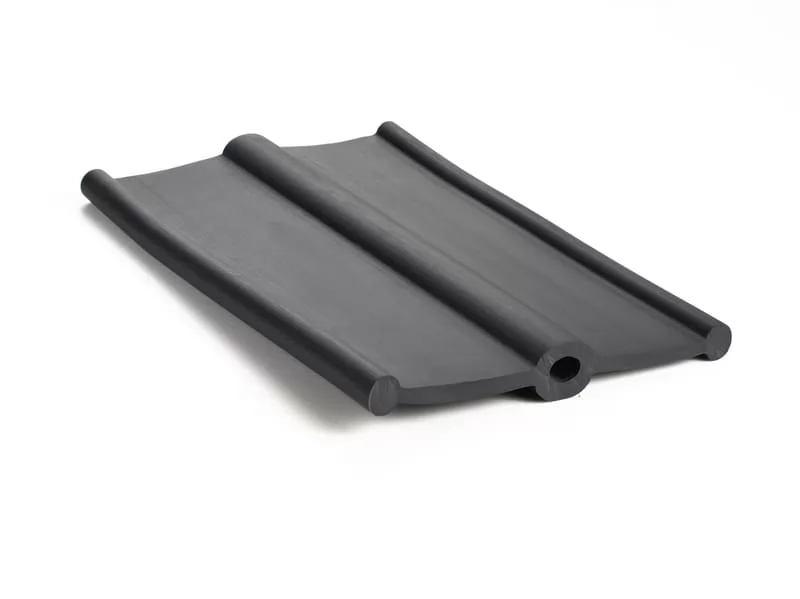
The 9 Key Factors That Affect PVC Waterstop Pricing
Understanding what drives the price of a PVC waterstop is the key to making smarter purchasing decisions. While suppliers may provide different quotations for seemingly similar products, those differences are usually based on tangible factors such as raw materials, product dimensions, manufacturing complexity, and order requirements.
Below are the nine most important factors that influence the cost per meter.
1. Raw Material Quality
Raw material is the single largest contributor to the manufacturing cost of a PVC waterstop.
A typical PVC waterstop compound consists of:
- PVC resin
- Plasticizers
- Heat stabilizers
- Processing aids
- Fillers
- Pigments
The quality and proportion of these ingredients directly affect both product performance and price.
Virgin PVC vs. Recycled PVC
One of the biggest price differences comes from whether the manufacturer uses virgin PVC resin or recycled material.
Virgin PVC Waterstops
Advantages:
- Higher tensile strength
- Better elongation
- Superior flexibility
- Longer service life
- Better resistance to aging and chemicals
- More consistent physical properties
These products are commonly specified for critical infrastructure such as:
- Dams
- Water treatment plants
- Metro tunnels
- Underground stations
- Hydroelectric projects
- Large commercial basements
Because virgin resin costs more, these waterstops naturally have a higher price per meter.
Recycled PVC Waterstops
Some manufacturers incorporate recycled PVC to reduce production costs.
While this can lower the selling price, excessive recycled content may result in:
- Reduced flexibility
- Lower tensile strength
- Increased brittleness over time
- Poor welding performance
- Greater dimensional variation
For temporary structures or projects with modest performance requirements, recycled-content products may be acceptable. However, for long-term waterproofing applications, buyers should verify the material specifications rather than focusing solely on the lowest quotation.
Procurement Tip: Instead of asking whether a supplier uses virgin or recycled PVC, request the technical data sheet (TDS) and compare key performance indicators such as tensile strength, elongation at break, hardness, and density.
2. Waterstop Profile Design
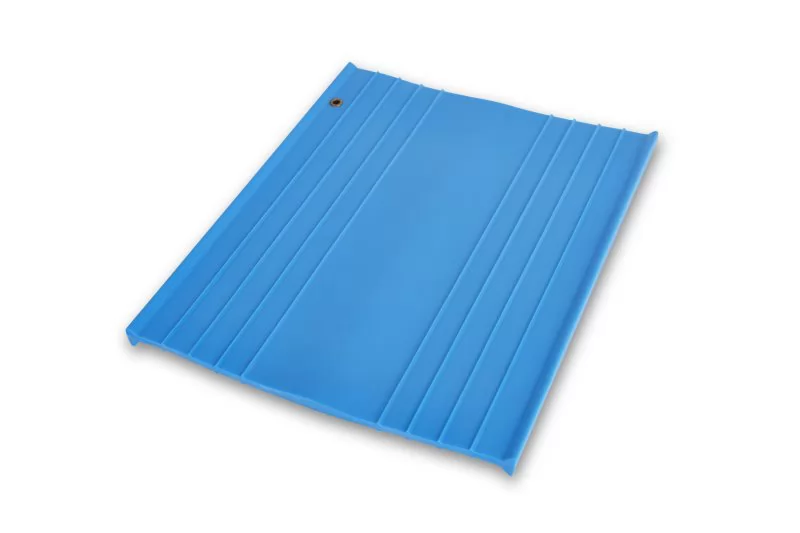
Not all PVC waterstops have the same shape. Different profiles are engineered for different types of joints, and the profile design has a direct impact on production cost.
More complex geometries require:
- Larger extrusion dies
- Higher material consumption
- More precise dimensional control
- Additional quality inspections
As a result, profile design significantly influences the final price.
For example, FUFUJING manufactures several commonly used profile series for different construction scenarios:
SO Series — Internal Expansion Joint Waterstop
The SO Series is designed for internal expansion joints where concrete sections need to accommodate thermal movement or structural displacement while maintaining a watertight seal.
Its center bulb design provides excellent flexibility, making it suitable for:
- Reservoirs
- Water tanks
- Underground structures
- Large concrete foundations
Because of its more sophisticated profile geometry, the SO Series generally requires more material than simpler construction joint profiles.
BW Series — Internal Construction Joint Waterstop
The BW Series is intended for construction joints where little or no joint movement is expected.
Compared with expansion joint profiles, BW waterstops feature a simpler cross-section, resulting in:
- Lower material consumption
- Easier manufacturing
- More economical pricing
They are commonly used in:
- Basement walls
- Retaining walls
- Foundations
- Water treatment facilities
For projects without significant joint movement, this profile often provides an excellent balance between performance and cost.
BC Series — Internal Expansion Joint Waterstop
The BC Series is another internal expansion joint solution, designed for projects requiring enhanced sealing performance under dynamic movement.
Its optimized rib structure helps improve anchorage within the concrete while maintaining flexibility under repeated expansion and contraction.
Because of its more complex design and higher material usage, BC profiles are typically priced above standard construction joint waterstops.
DO Series — Dumbbell Expansion Joint Waterstop
The DO Series features a dumbbell-shaped profile commonly used in expansion joints where flexibility and ease of installation are priorities.
Typical applications include:
- Bridges
- Parking structures
- Industrial floors
- Large slabs
Its straightforward geometry can simplify installation while still providing reliable joint sealing in appropriate applications.
3. Width and Dimensions
Another major pricing factor is product size.
As the width increases, more PVC material is required per meter, leading to higher production costs.
Common widths include:
| Width | Typical Applications | Relative Cost |
|---|---|---|
| 150 mm | Small joints | Low |
| 200 mm | Residential construction | Low–Medium |
| 250 mm | Commercial buildings | Medium |
| 300 mm | Infrastructure projects | Medium–High |
| 350 mm | Water treatment plants | High |
| 400 mm+ | Dams and tunnels | Premium |
Larger widths also require:
- Larger extrusion equipment
- Stronger cooling systems
- More storage space
- Higher transportation costs
Therefore, wider waterstops are generally more expensive even when the material formulation remains unchanged.
4. Thickness
Thickness is another specification that directly affects both product performance and manufacturing cost.
Typical thicknesses range from:
- 4 mm
- 5 mm
- 6 mm
- 8 mm
- 10 mm
A thicker waterstop contains more PVC material per meter and is often selected for projects subjected to higher water pressure or greater structural movement.
However, thicker is not always better.
Over-specifying thickness can unnecessarily increase project costs without providing additional benefits if the application's performance requirements are already met.
Professional buyers usually select thickness based on:
- Hydrostatic pressure
- Joint movement
- Structural design
- Applicable engineering standards
Rather than choosing the thickest available option, matching the specification to the project's design requirements often delivers the best overall value.
5. Production Process and Manufacturing Precision
The manufacturing process has a significant influence on both product quality and pricing.
Although two suppliers may produce waterstops with identical dimensions, their production capabilities can differ considerably.
High-quality manufacturers typically invest in:
- Modern extrusion lines
- Precision molds
- Automatic temperature control
- Online dimensional monitoring
- Consistent cooling systems
- Skilled production technicians
These investments help ensure:
- Uniform wall thickness
- Stable dimensions
- Smooth surface finish
- Consistent mechanical properties
- Better weldability on-site
Manufacturers with advanced production processes generally incur higher operating costs, but they often provide products with more reliable performance and lower defect rates.
For infrastructure projects where long-term durability is critical, manufacturing consistency can be just as important as the material itself.
6. Customization Requirements
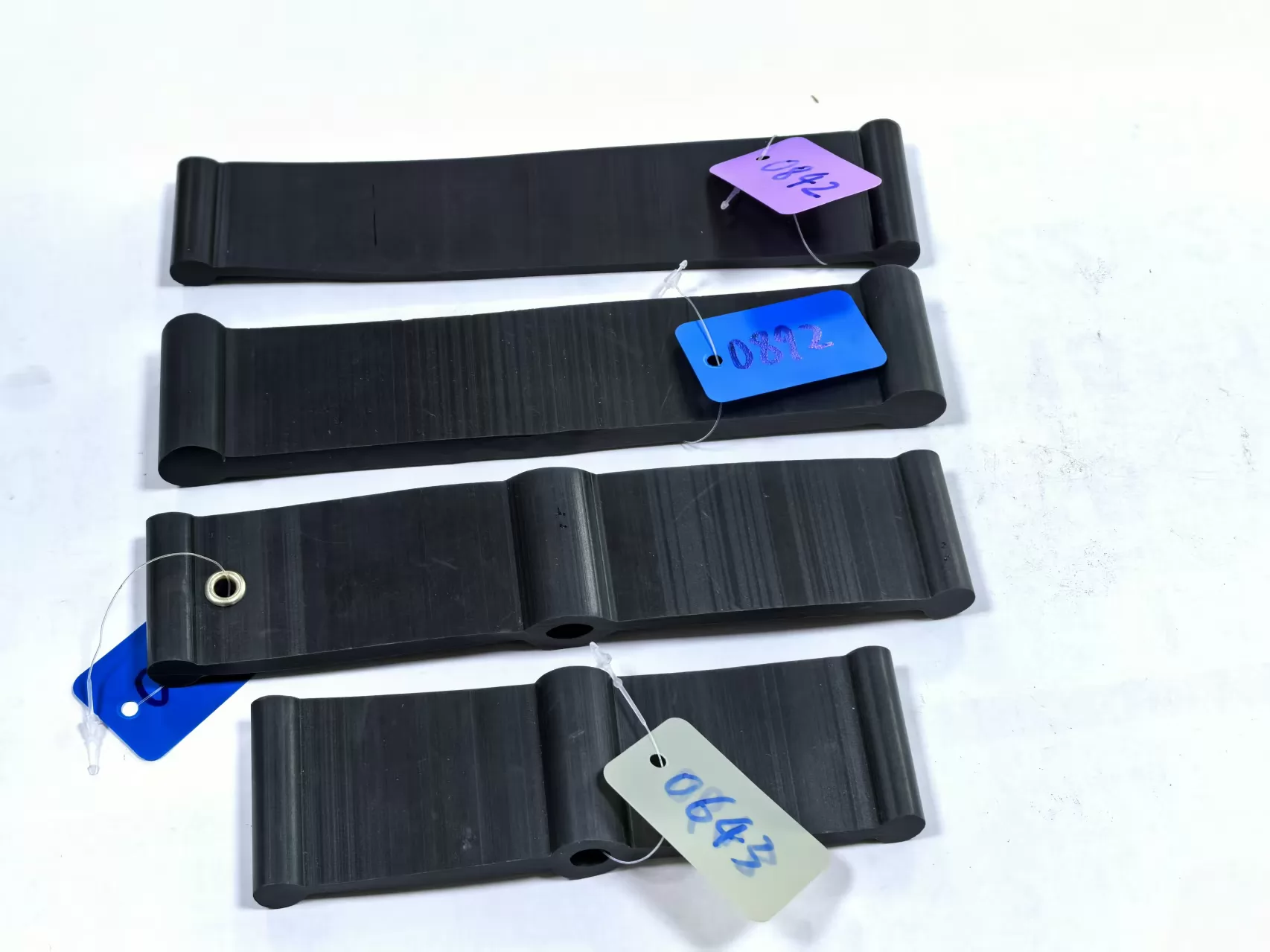
Standard PVC waterstops are usually the most cost-effective option because manufacturers can produce them in large batches using existing molds and established production processes.
However, many engineering projects require customized solutions to match unique structural designs or project specifications. Customization can significantly influence the final price per meter.
Common customization options include:
- Custom profile designs
- Non-standard widths or thicknesses
- Special colors
- Custom hardness (Shore A)
- Printed logos or product markings
- Project-specific packaging
- Customized roll lengths
For example, a contractor constructing a large hydropower station may require a waterstop profile that conforms to a proprietary engineering design. In such cases, the manufacturer may need to design and manufacture a new extrusion die before production begins.
Customization costs may include:
- Mold design and machining
- Prototype production
- Sample testing
- Additional engineering support
- Longer production lead times
Although customized products generally have higher initial costs, they often provide better installation efficiency and long-term waterproofing performance for complex projects.
Buyer Tip: If your project requires recurring purchases, ask whether the mold cost can be amortized across future orders. Many manufacturers reduce or even waive tooling fees for long-term partnerships or large-volume contracts.
7. Order Quantity (MOQ and Volume Discounts)
Order quantity has a direct impact on the unit price of PVC waterstops.
Like many industrial products, larger production runs improve manufacturing efficiency and reduce the cost allocated to each meter.
Typical purchasing scenarios include:
Small Trial Orders
Small orders are common when:
- Evaluating a new supplier
- Testing product quality
- Producing project samples
Because machine setup, material preparation, and labor costs are spread over fewer units, the price per meter is usually higher.
Medium-Sized Project Orders
For medium-sized construction projects, manufacturers can optimize production schedules, reducing setup time and improving material utilization.
As a result, buyers often receive more competitive pricing than with small orders.
Full Container Orders
The most competitive pricing is generally available for full-container purchases.
Advantages include:
- Lower manufacturing costs per unit
- Reduced packaging costs
- Better shipping efficiency
- Lower freight cost per meter
- Greater negotiating power
Many international distributors consolidate purchases into full container loads (FCL) to maximize transportation efficiency and reduce overall procurement costs.
8. Quality Testing and Certifications
Quality assurance is another important factor affecting pricing.
Reliable manufacturers invest considerable resources in testing to ensure that every batch meets performance requirements.
Common tests include:
- Tensile strength
- Elongation at break
- Hardness
- Density
- Dimensional accuracy
- Appearance inspection
- Aging resistance
- Low-temperature flexibility
Some infrastructure projects may also require compliance with national or international standards specified by engineers or government authorities.
Additional inspections may involve:
- Third-party laboratory testing
- Factory audits
- Batch traceability
- Material certifications
- Export documentation
These procedures increase production costs but also provide buyers with greater confidence in product consistency and long-term performance.
For projects where waterproofing failure could result in costly repairs, the additional investment in quality assurance is often justified.
9. Packaging, Transportation, and Shipping Costs
Many buyers focus exclusively on the factory price while overlooking logistics costs, which can account for a significant portion of the total procurement budget—especially for international shipments.
Several logistics factors influence the final landed cost:
Packaging Method
Different packaging options affect both product protection and shipping efficiency.
Examples include:
- Plastic film wrapping
- Woven bags
- Wooden pallets
- Export cartons
- Customized labels
- Project-specific identification
Higher-quality packaging helps reduce the risk of damage during transportation, particularly for long-distance ocean freight.
Shipping Method
Transportation costs vary depending on:
- Sea freight
- Rail freight
- Truck transportation
- Air freight (rare for PVC waterstops)
For international buyers, sea freight remains the most economical solution for large orders.
Destination
Freight costs are also influenced by:
- Distance to the destination port
- Import duties
- Local customs regulations
- Port handling charges
- Inland transportation
Two buyers ordering identical products may receive significantly different total costs simply because they are located in different regions.
Procurement Tip: When comparing quotations from different suppliers, always confirm the Incoterms (such as EXW, FOB, CIF, or DDP). A lower factory price does not necessarily translate into a lower overall purchasing cost if freight, insurance, or customs expenses are excluded.
Price Differences Between Common PVC Waterstop Profiles
Different project requirements call for different waterstop profiles, and each profile has its own manufacturing complexity, material consumption, and application environment. Understanding these differences helps buyers choose the most cost-effective solution rather than simply selecting the lowest-priced product.
| Profile | Joint Type | Typical Width | Typical Thickness | Relative Price | Best Applications |
|---|---|---|---|---|---|
| BW Series | Construction Joint | 200–300 mm | 5–6 mm | ★ | Foundations, Basements |
| SO Series | Expansion Joint | 250–350 mm | 6–8 mm | ★★ | Water Tanks, Reservoirs |
| DO Series | Expansion Joint | 250–400 mm | 6–8 mm | ★★★ | Bridges, Industrial Floors |
| BC Series | Expansion Joint | 300–400 mm | 8–10 mm | ★★★★ | Dams, Tunnels, Sewage Plants |
It is important to note that the "best" profile is not necessarily the most expensive one. Instead, the ideal choice depends on the expected joint movement, hydrostatic pressure, and structural design.
For example:
- A residential basement with minimal joint movement may only require a BW Series waterstop, offering reliable performance at a lower cost.
- A water reservoir or sewage treatment facility that experiences thermal expansion and contraction may benefit from the additional flexibility of an SO Series or BC Series profile.
- Bridges and elevated structures often require DO Series waterstops due to their ability to accommodate repeated movement.
Selecting a profile that matches the engineering requirements can help optimize both performance and budget.
Does Material Quality Really Matter?
For procurement professionals working under tight budgets, it can be tempting to choose the lowest quotation available. However, the true cost of a PVC waterstop should be evaluated over the entire service life of the structure—not just at the time of purchase.
High-quality PVC compounds generally offer:
- Better resistance to water pressure
- Improved flexibility under structural movement
- Greater resistance to cracking and aging
- Longer service life
- More stable welding performance during installation
In contrast, products manufactured with lower-grade materials may initially reduce procurement costs but can increase the risk of:
- Water leakage
- Joint failure
- Difficult installation
- Premature replacement
- Costly maintenance and repairs
For infrastructure projects such as tunnels, dams, wastewater treatment plants, and underground transportation systems, the cost of repairing a failed waterstop often far exceeds the difference in purchase price.
Therefore, experienced buyers typically evaluate suppliers based on the overall value proposition, considering:
- Product quality
- Manufacturing consistency
- Technical support
- Delivery reliability
- Quality documentation
- Total lifecycle cost
A slightly higher unit price may ultimately deliver greater long-term savings by reducing maintenance, minimizing project risks, and extending the service life of the waterproofing system.
How Manufacturing Processes Influence Cost
While raw materials and product specifications directly affect pricing, a manufacturer's experience also plays a significant role in the overall value buyers receive.
Experienced manufacturers have typically refined their production processes over many years, enabling them to maintain consistent quality while reducing production errors. This consistency is particularly important for waterproofing products, where even small dimensional deviations can affect installation and long-term sealing performance.
When evaluating suppliers, consider factors beyond the unit price, such as:
- Years of manufacturing experience
- Production capacity
- Quality management systems
- Export experience
- Engineering support
- Customization capabilities
- Delivery performance
For international projects, suppliers with extensive export experience are often better equipped to handle technical documentation, packaging requirements, and shipping logistics, reducing procurement risks.
Rather than selecting a supplier solely because they offer the lowest quotation, buyers should evaluate the supplier's ability to consistently deliver products that meet project specifications, deadlines, and quality expectations.
How Order Quantity Impacts Unit Price
Order quantity has a direct impact on the unit price of PVC waterstops. Like many industrial products, larger production runs improve manufacturing efficiency and reduce the cost allocated to each meter.
Small Trial Orders: Small orders are common when evaluating a new supplier, testing product quality, or producing project samples. Because machine setup, material preparation, and labor costs are spread over fewer units, the price per meter is usually higher.
Medium-Sized Project Orders: For medium-sized construction projects, manufacturers can optimize production schedules, reducing setup time and improving material utilization. As a result, buyers often receive more competitive pricing than with small orders.
Full Container Orders: The most competitive pricing is generally available for full-container purchases. Advantages include lower manufacturing costs per unit, reduced packaging costs, better shipping efficiency, lower freight cost per meter, and greater negotiating power. Many international distributors consolidate purchases into full container loads (FCL) to maximize transportation efficiency and reduce overall procurement costs.
Shipping, Packaging, and Import Costs
Many buyers focus exclusively on the factory price while overlooking logistics costs, which can account for a significant portion of the total procurement budget—especially for international shipments.
Packaging Method: Different packaging options affect both product protection and shipping efficiency. Examples include plastic film wrapping, woven bags, wooden pallets, export cartons, customized labels, and project-specific identification. Higher-quality packaging helps reduce the risk of damage during transportation, particularly for long-distance ocean freight.
Shipping Method: Transportation costs vary depending on sea freight, rail freight, truck transportation, and air freight (rare for PVC waterstops). For international buyers, sea freight remains the most economical solution for large orders.
Destination: Freight costs are also influenced by distance to the destination port, import duties, local customs regulations, port handling charges, and inland transportation. Two buyers ordering identical products may receive significantly different total costs simply because they are located in different regions.
Procurement Tip: When comparing quotations from different suppliers, always confirm the Incoterms (such as EXW, FOB, CIF, or DDP). A lower factory price does not necessarily translate into a lower overall purchasing cost if freight, insurance, or customs expenses are excluded.
How to Compare Supplier Quotations Correctly
Receiving multiple quotations is standard practice in procurement. However, comparing prices without examining the underlying specifications can lead to inaccurate conclusions.
Before making a purchasing decision, verify that every quotation is based on identical technical requirements.
Compare Product Specifications
Check whether each supplier is quoting the same:
- Profile type
- Width
- Thickness
- Roll length
- Material grade
- Color
- Hardness
- Packaging method
A quotation for a 300 mm × 6 mm virgin PVC waterstop should not be compared directly with one for a 300 mm × 5 mm recycled PVC product.
Review Mechanical Properties
Request technical data sheets and compare key performance indicators, including:
| Property | Why It Matters |
|---|---|
| Tensile Strength | Indicates the product's ability to resist pulling forces. |
| Elongation at Break | Measures flexibility under movement. |
| Hardness | Affects installation and deformation resistance. |
| Density | Helps verify material consistency. |
| Appearance | Indicates manufacturing quality. |
Reliable suppliers should be able to provide these values upon request.
Confirm Testing Procedures
Ask whether the products undergo routine quality inspections.
Questions to ask include:
- Are products tested batch by batch?
- Are laboratory reports available?
- Is third-party inspection supported?
- Are production records traceable?
Consistent quality control reduces the likelihood of receiving defective products.
Understand the Quotation Terms
Price alone rarely tells the complete story.
Clarify:
- Is the quotation EXW, FOB, CIF, or DDP?
- Does it include export packaging?
- Are molds included?
- Is technical support included?
- What is the production lead time?
- What payment terms are offered?
A slightly higher quotation may actually represent better overall value if additional services are included.
Evaluate Supplier Reliability
Price is only one component of procurement.
Also consider:
- Factory scale
- Production capacity
- Delivery history
- Customer references
- Communication efficiency
- Responsiveness to technical questions
Reliable delivery is particularly important for projects with strict construction schedules.
Tips for Reducing PVC Waterstop Procurement Costs
Reducing procurement costs does not necessarily mean purchasing the cheapest product. Instead, successful buyers optimize the entire purchasing process.
1. Buy Directly from Manufacturers
Working directly with manufacturers can reduce intermediary costs while providing better access to technical support, customization services, and production scheduling.
2. Standardize Product Specifications
Whenever possible, select standard profiles and dimensions rather than custom designs.
Standard products usually offer:
- Shorter lead times
- Lower production costs
- Easier replacement
- Better inventory availability
3. Increase Order Quantities
Combining multiple project requirements into a larger order often results in:
- Lower unit prices
- Reduced freight costs
- Better negotiating opportunities
Many manufacturers provide tiered pricing based on order volume.
4. Plan Purchases Early
Last-minute orders may require:
- Overtime production
- Expedited shipping
- Air freight
These additional costs can significantly increase the overall procurement budget.
Planning purchases well in advance allows manufacturers to optimize production schedules and transportation arrangements.
5. Optimize Container Loading
International buyers can reduce shipping costs by maximizing container utilization.
Instead of shipping multiple small orders, consider consolidating purchases into:
- One 20-foot container
- One 40-foot container
- Mixed-product shipments
This approach lowers freight costs per meter.
6. Request Samples Before Large Orders
Ordering samples allows buyers to verify:
- Dimensions
- Surface quality
- Flexibility
- Material consistency
- Installation performance
Identifying potential issues early helps avoid expensive project delays.
7. Focus on Total Cost of Ownership
The purchase price represents only one portion of the total project cost.
Also consider:
- Installation efficiency
- Expected service life
- Maintenance requirements
- Replacement costs
- Risk of leakage
Products with better long-term performance often provide greater value despite a slightly higher initial price.
Frequently Asked Questions (FAQ)
How much does PVC waterstop usually cost per meter?
The price varies depending on profile design, dimensions, material quality, order quantity, and shipping terms. Standard construction joint waterstops are generally less expensive than large expansion joint profiles with complex geometries.
Why do quotations from different suppliers vary so much?
Price differences often result from variations in raw materials, manufacturing processes, quality control, customization, and included services—not simply profit margins.
Does wider PVC waterstop always cost more?
Generally, yes. Wider profiles require more raw material and may involve larger extrusion equipment, resulting in a higher cost per meter.
Is virgin PVC worth the additional cost?
For long-term infrastructure projects, virgin PVC typically offers better flexibility, durability, and resistance to aging, making it a cost-effective investment over the product's service life.
What information should I provide when requesting a quotation?
To receive an accurate quotation, provide:
- Profile type
- Width
- Thickness
- Quantity
- Roll length
- Project application
- Destination port
- Required delivery time
Complete information enables suppliers to prepare more precise pricing.
Can PVC waterstops be customized?
Yes. Many manufacturers offer customized profiles, dimensions, colors, packaging, and branding. Custom products may require tooling costs and longer lead times.
Is buying directly from a manufacturer more economical?
For medium and large orders, purchasing directly from a manufacturer can reduce procurement costs while providing better technical support, customization options, and communication throughout the project.
How can I identify a reliable PVC waterstop supplier?
Consider evaluating suppliers based on:
- Manufacturing experience
- Product consistency
- Quality management
- Export capabilities
- Technical support
- Delivery performance
- Customer feedback
A balanced assessment often leads to better long-term procurement outcomes than selecting a supplier based solely on price.
Conclusion
PVC waterstop pricing is influenced by far more than the amount of material used in each meter. Factors such as raw material quality, profile design, dimensions, manufacturing precision, customization, testing procedures, order volume, and shipping arrangements all contribute to the final cost.
For buyers, the most effective procurement strategy is to compare quotations based on equivalent specifications rather than simply choosing the lowest price. Evaluating product quality, supplier capabilities, and lifecycle value can help reduce project risks while ensuring reliable waterproofing performance.
Whether you are sourcing waterstops for a residential foundation, a wastewater treatment plant, a bridge, or a large-scale infrastructure project, taking the time to understand the factors behind pricing will lead to more informed purchasing decisions and better long-term results.
When requesting quotations, prepare clear technical requirements—including profile type, dimensions, quantity, and destination—to help suppliers provide accurate pricing and suitable recommendations. By partnering with an experienced manufacturer and selecting products that match your project's engineering needs, you can achieve the right balance between cost, quality, and long-term durability.
0
Comments
Leave a Comment
Your email address will not be published. Required fields are marked *
Name can't be empty
Email error!
Message can't be empty
😍
😜
😳
😌
😄
😘
😝
😒
😃
😚
😚
😛
😟
😧
😀
😉
😓
😱
😤
😣
😂
😥
😩
😠
😢
😭
😰
😨
😡
😆
😪
😅
😐
😇
😋
😴
👿
😕
😏
😷
😵
😟
😮
😯
😑
👧
👴
😧
😬
😾
👶
👱
👵
👸
🙀
👺
👦
👩
👨
😽
😿
🙈
💩
💥
💤
😼
😹
🙉
🔥
✨
💦
👎
✌
👆
👈
💪
💹
👍
👊
💴
💶
💷
💸
👉
💵
🙏
🌎
🏧
👏
💳
👇
💑
🙆
🙅
💁
👫
👭
🙎
🙇
👑
👔
Submit Comment
Most Popular
-
 Aug 03, 2026Top 10 PVC Waterstop Manufacturers in the USA 2026
 -
 Aug 17, 2026PVC Centre Bulb Waterstop for Concrete Joints: A Complete Guide
 -
 Aug 05, 2026PVC Water Stopper Price Guide: What Affects the Cost Per Meter?
 -
 Aug 07, 2026PVC Waterstop for Construction Joints: Complete Application Guide


Laster Blogs
-
Aug 17, 2026PVC Centre Bulb Waterstop for Concrete Joints: A Complete Guide
-
Aug 07, 2026PVC Waterstop for Construction Joints: Complete Application Guide
-
 Aug 06, 2026PVC Waterstop: The Complete Buying Guide (Types, Sizes, Prices)
 -
Aug 05, 2026PVC Water Stopper Price Guide: What Affects the Cost Per Meter?

Set A Consultation Today
Name can't be empty
Email error!
Send Your Message
*We respect your confidentiality and all
information are protected.