PVC Waterstop: The Complete Buying Guide (Types, Sizes, Prices)
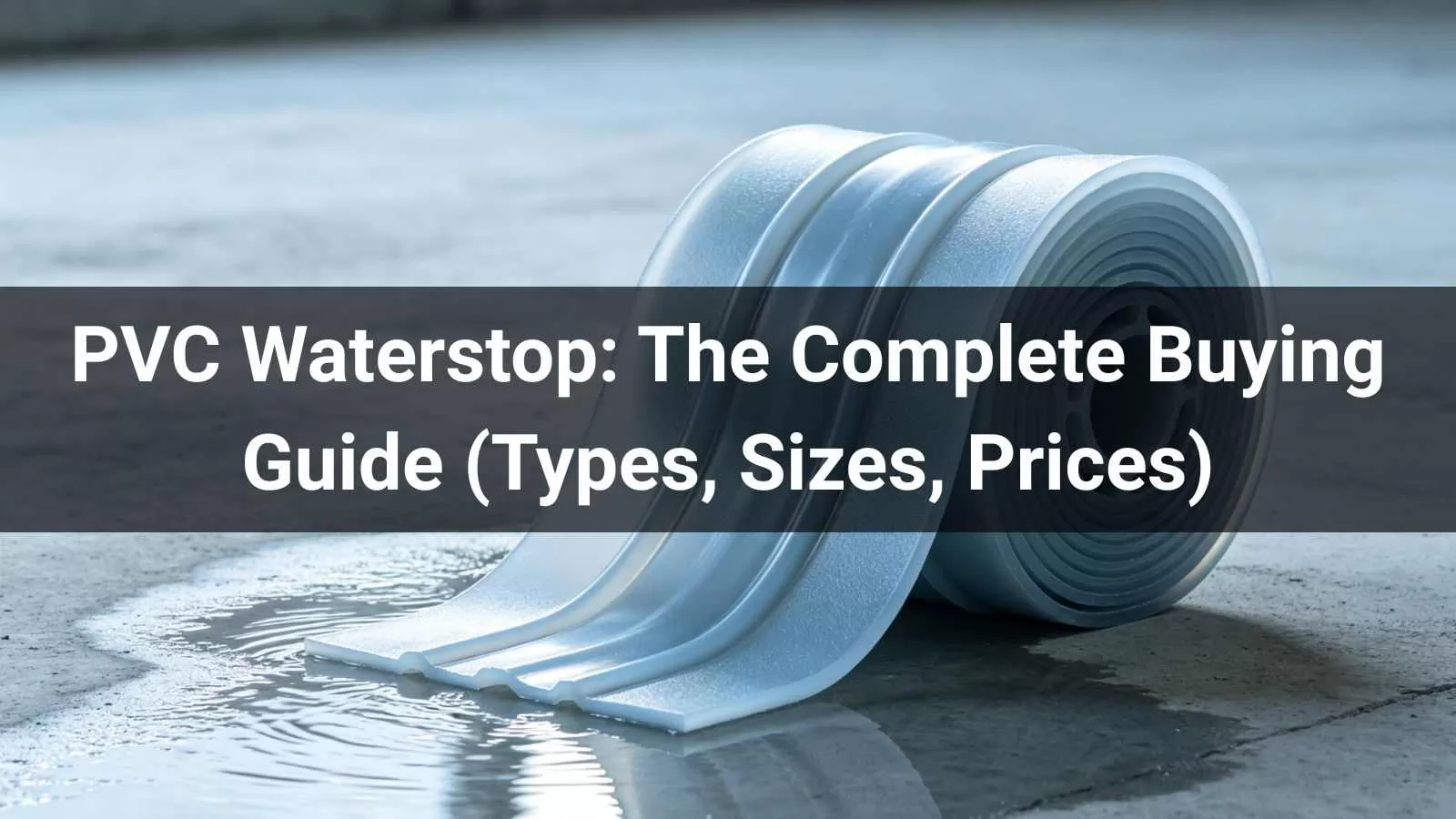
Concrete is one of the most durable building materials in modern construction, but it is inherently vulnerable to joint leaks caused by thermal expansion, structural settling, and hydrostatic pressure. Unsealed or improperly sealed concrete joints can lead to structural damage, rebar corrosion, and costly long-term maintenance.
PVC waterstops (Polyvinyl Chloride waterstops) serve as the primary line of defense against fluid passage through concrete movement and construction joints. Engineered from high-grade thermoplastic PVC compounds, these flexible profiles embed directly into concrete structures to form an impermeable continuous diaphragm.
This comprehensive buying guide provides engineering contractors, procurement managers, and distributor partners with an in-depth breakdown of PVC waterstop types, technical specifications, sizing considerations, pricing drivers, and supplier selection criteria.
| Table of Contents | |
|---|---|
| 1 | |
| 2 | |
| 3 | |
| 4 | |
| 5 | |
| 6 | |
| 7 | |
| 8 | |
1. What Is a PVC Waterstop and How Does It Work?
A PVC waterstop is a specialized elastomeric profile manufactured from prime-grade Polyvinyl Chloride resin combined with plasticizers and stabilizers. It is designed to be embedded in concrete across expansion, contraction, and construction joints to prevent the passage of water and liquids under hydrostatic pressure.
Mechanism of Action
Mechanical Interlocking: The external ribs or flanged legs of the PVC profile lock directly into the curing concrete, creating a tight physical seal that prevents water from traveling along the joint interface.
Flexibility under Movement: In expansion joints, the hollow centerbulb deforms or stretches during thermal expansion, seismic shifts, or structural movement without rupturing or losing adhesion.
Material Longevity: High-quality PVC compounds resist chemical corrosion, acid, alkali, and oxidation, ensuring long-term underground performance.
2. Types of PVC Waterstops: Choosing the Right Profile
Selecting the correct profile geometry is vital for meeting specific joint movement requirements and installation conditions. PVC waterstops are broadly categorized into internal and external placement types.
| PVC Waterstop Classifications | |
|---|---|
|
Internal Profiles (Placed in Center of Slab) |
External Profiles (Placed on Exterior Surface) |
| 1. Internal Expansion Joint Profiles | 1. External Expansion Joint Profiles |
| 2. Internal Construction Joint Profiles | 2. External Construction Joint Profiles |
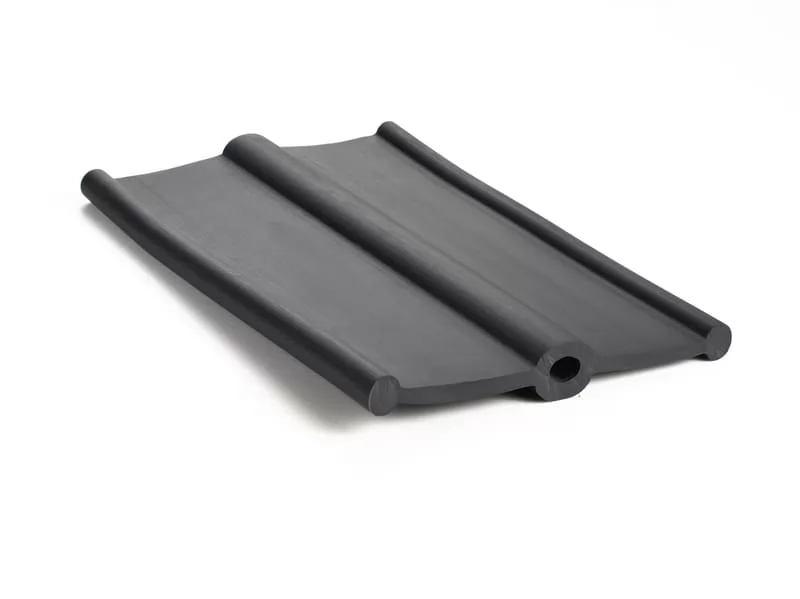
1. Internal Expansion Joint PVC Waterstops
Designed to be placed centrally within the concrete slab thickness across joints that experience active movement.
Features: Equipped with a hollow centerbulb (or tear-web) to accommodate multi-directional shear, lateral, and axial movements.
Best Used For: Expansion joints in basements, retaining walls, bridge decks, and water towers.
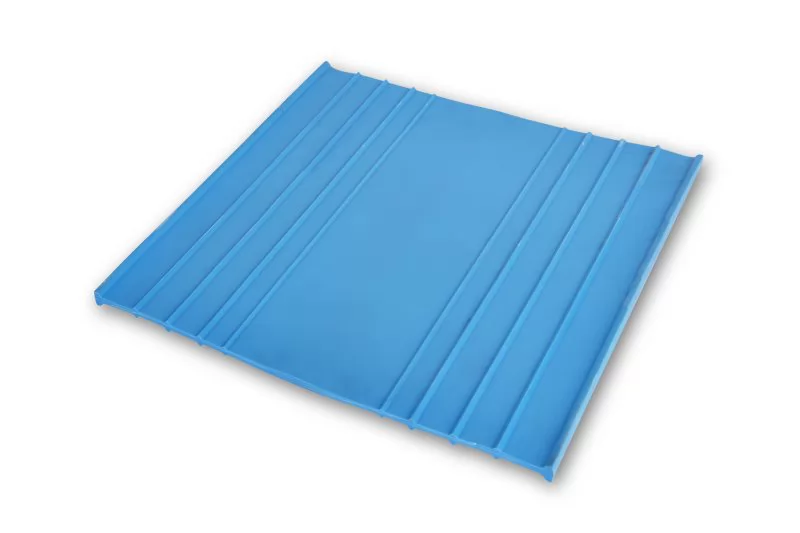
2. Internal Construction Joint Profiles
Engineered for static joints where little to no structural movement is expected.
Features: Flat-ribbed or dumbbell profiles without a centerbulb, optimizing surface contact area with the concrete.
Best Used For: Cold joints, pour stops, and stationary construction joints.
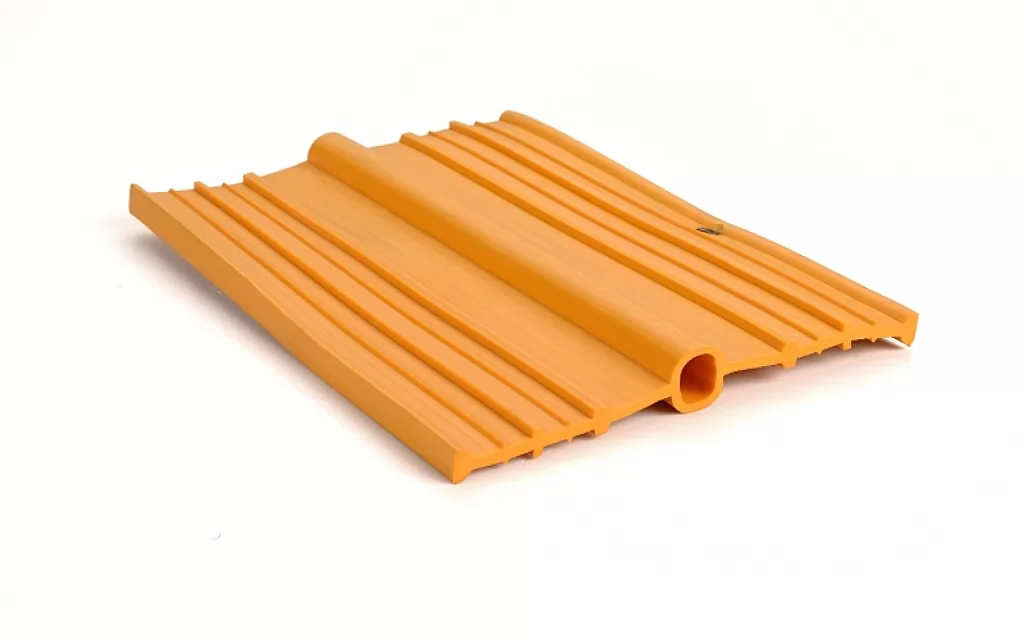
3. External Expansion Joint Profiles
Installed on the external or blind-side face of concrete slabs or walls before pouring.
Features: T-shaped anchor ribs on one side that lock into the freshly poured concrete while the outer flat face sits against formwork or soil. Includes a centerbulb for joint deflection.
Best Used For: Subgrade basement slabs, foundation footings, and tunnel linings.
4. External Construction Joint Profiles
Designed for exterior surface mounting on non-moving construction joints.
Features: Surface anchor ribs without a bulb, providing a flat exterior profile.
Best Used For: Precast concrete elements and exterior boundary wall joints.
Essential Installation Accessories
Achieving a leak-proof continuous barrier requires proper field splicing and auxiliary tools:
- Heater Blades (Electric Splicing Irons): Essential for thermo-welding PVC ends together onsite to form continuous, seamless waterstop runs.
- Jointing Jigs: Clamping fixtures that align PVC profiles precisely during the heating and fusion process.
- Hydrophilic Swelling Waterstop Strips: Secondary swelling seals used in combination with PVC waterstops for enhanced protection in high-risk penetrations.
3. Sizes and Technical Specifications Guide
Selecting the appropriate size depends on slab thickness, expected head of water pressure, aggregate size, and joint movement magnitude.
Standard Dimensions Overview
| Parameter | Standard Range | Engineering Selection Criteria |
|---|---|---|
| Width | 150 mm to 500 mm (6" to 20") | Should match or exceed slab thickness; wider profiles required for higher water head. |
| Thickness | 3.0 mm to 10.0 mm (1/8" to 3/8") | Thicker profiles provide greater mechanical strength and tear resistance. |
| Roll Length | 15 m, 20 m, or 25 m per roll | Custom lengths minimize field splicing points and installation labor. |
Key Physical Properties (ASTM Guidelines)
To ensure structural reliability, high-performance PVC waterstops must meet recognized international performance metrics, such as ASTM D638 and ASTM D2240:
| Property | Standard Requirement |
|---|---|
| Tensile Strength | ≥ 13.8 MPa (2000 psi) |
| Ultimate Elongation | ≥ 300% |
| Shore A Hardness | 70 - 80 Shore A |
| Low-Temperature Brittleness | No cracking at -35°C (-31°F) |
| Alkali & Chemical Resistance | Retains >90% tensile strength |
4. Cost & Price Analysis for PVC Waterstops
When reviewing supplier quotes for PVC waterstops, understanding the cost drivers helps procurement teams balance budget constraints against project quality requirements.
Primary Price Factors
Raw Material Compound Quality (Virgin vs. Recycled)
- 100% Virgin PVC Resin: Delivers maximum tensile strength, superior elongation (>300%), and long-term chemical durability. Higher upfront cost, but prevents costly joint failures.
- Recycled/Regrind Content: Lowers material cost significantly, but sacrifices elasticity, UV resistance, and tensile performance, risking structural leakage over time.
Profile Weight and Dimension
Material pricing is generally calculated by weight (kg) or linear meter. Wider (e.g., 300mm–500mm) and thicker (8mm–10mm) profiles require more polymer compound, increasing unit cost.
Quality Compliance & Certifications
Fully tested profiles with certified laboratory test reports (ISO, ASTM) command a slight premium due to stringent quality control processes.
Order Volume & Freight Efficiency
Purchasing directly from a primary manufacturing mill in full container loads (FCL) reduces unit transportation and processing overhead compared to local distributor markups.
Procurement Tip: When comparing quotations from different suppliers, always confirm the Incoterms (such as EXW, FOB, CIF, or DDP). A lower factory price does not necessarily translate into a lower overall purchasing cost if freight, insurance, or customs expenses are excluded.
5. Key Applications in Heavy Infrastructure
PVC waterstops are essential sealing components across a wide range of municipal, commercial, and industrial engineering projects:
Water-Retaining Structures
Water towers, elevated reservoirs, swimming pools, and irrigation canals.
Sub-Grade Foundations
Underground basements, multi-story parking garages, elevator pits, and foundation footings.
Hydroelectric & Civil Projects
Dam spillways, aqueducts, drainage culverts, and lock channels.
Transportation Infrastructure
Subway stations, highway tunnels, cut-and-cover passages, and underpasses.
Water Treatment Plants
Sewage settling tanks, aeration basins, and industrial effluent retention ponds.
6. Critical Factors When Selecting a PVC Waterstop Manufacturer
Partnering with an experienced, verified manufacturer ensures project compliance, smooth site execution, and long-term joint integrity.
| 1. Production Capacity | 2. Customization | 3. QA & Certs | 4. Tool Support |
|---|---|---|---|
| (100k+ meters/mo) | (CAD drawing match) | (ISO, ASTM reports) | (Heater blades) |
Manufacturing Experience & Scale
Look for established factories with decades of dedicated experience in extruding elastomeric waterstops, sufficient floor space, and high monthly output capacity to guarantee reliable lead times.
Technical Customization Capabilities
Infrastructure projects often require non-standard cross-sections, unique rib designs, or specific roll lengths. Choose a supplier capable of tooling custom dies from CAD shop drawings.
Quality Management Systems
Ensure the factory operates under strict quality standards (e.g., ISO9001, ISO14001) and provides batch-specific inspection certificates matching ASTM criteria.
Comprehensive System Accessories
A qualified supplier provides not only waterstop profiles, but also total joint sealing systems, including electric heater blades, jointing jigs, and swelling strips for seamless field installation.
7. Why Partner with FUFUJING for Your Waterstopping Solutions?
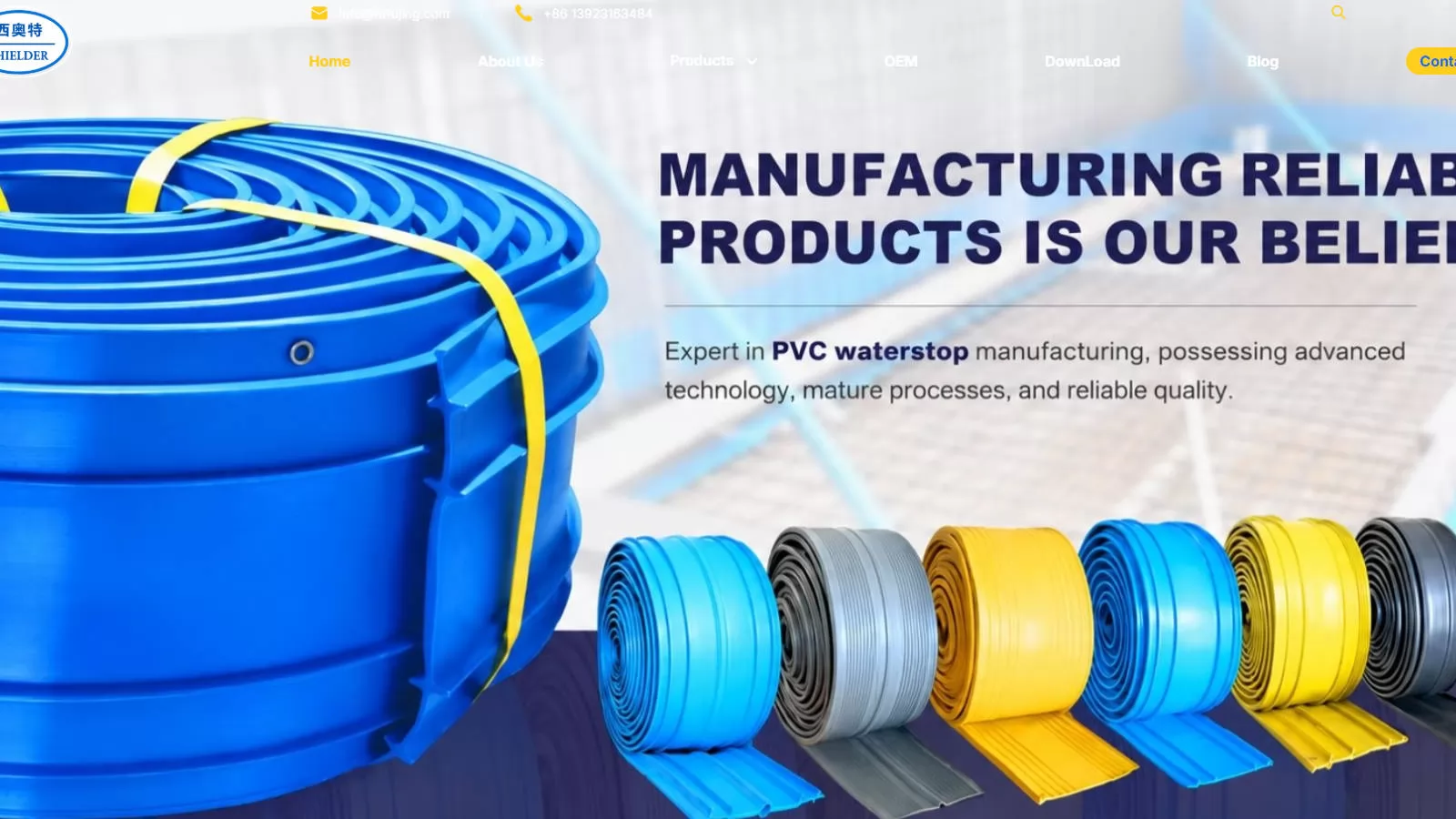
Foshan Nanhai FUFUJING Plastic & Hardware Co., Ltd. (FUFUJING) is a premier Chinese manufacturer specializing in high-performance PVC waterstops and engineering sealing solutions.
| FUFUJING Manufacturing Highlights | ||
|---|---|---|
| 23+ Years Experience | 5,000 m² Facility | 100,000 m/month Capacity |
| ASTM / ISO Certified | Global Direct Supply | Total Tooling & Technical Support |
Core Corporate Strengths
23+ Years of Industry Expertise
Founded in 2003, FUFUJING brings over two decades of technical experience in thermoplastic polymer extrusion for civil engineering projects worldwide.
Robust Manufacturing Capacity
Operating out of a modern 5,000 m² industrial facility with advanced production lines, FUFUJING maintains a monthly production capacity exceeding 100,000 meters, ensuring fast turnaround times for large-scale municipal bids.
Uncompromised Quality & Compliance
All PVC waterstops are manufactured from premium virgin resins, delivering outstanding tensile strength, superior elongation, and high chemical resistance. FUFUJING is certified under ISO9001 and ISO14001, with products fully compliant with ASTM engineering standards.
Full-Spectrum Customization
FUFUJING offers an extensive catalog of standard internal and external profiles. Additionally, our engineering team provides custom die tooling based on client project drawings and parameters.
Complete One-Stop Accessory Supply
In addition to PVC profiles, FUFUJING manufactures and supplies specialized field installation tools, including electric heater blades, jointing jigs, and hydrophilic swelling bentonite waterstop strips.
Direct Factory Cost Efficiency
By eliminating intermediate distribution markups, FUFUJING delivers factory-direct pricing with total quality control, maximizing profitability for contractors and global trading partners.
8. Conclusion
Securing concrete joints against liquid ingress requires combining the right engineering design with high-quality PVC waterstop profiles. By evaluating movement demands, structural dimensions, and raw material purity, engineering procurement teams can safeguard infrastructure assets against costly water damage.
For reliable quality, fast production schedules, and competitive factory-direct pricing, trust FUFUJING for your next infrastructure project.
0
Comments
Leave a Comment
Your email address will not be published. Required fields are marked *
Name can't be empty
Email error!
Message can't be empty
😍
😜
😳
😌
😄
😘
😝
😒
😃
😚
😚
😛
😟
😧
😀
😉
😓
😱
😤
😣
😂
😥
😩
😠
😢
😭
😰
😨
😡
😆
😪
😅
😐
😇
😋
😴
👿
😕
😏
😷
😵
😟
😮
😯
😑
👧
👴
😧
😬
😾
👶
👱
👵
👸
🙀
👺
👦
👩
👨
😽
😿
🙈
💩
💥
💤
😼
😹
🙉
🔥
✨
💦
👎
✌
👆
👈
💪
💹
👍
👊
💴
💶
💷
💸
👉
💵
🙏
🌎
🏧
👏
💳
👇
💑
🙆
🙅
💁
👫
👭
🙎
🙇
👑
👔
Submit Comment
Most Popular
-
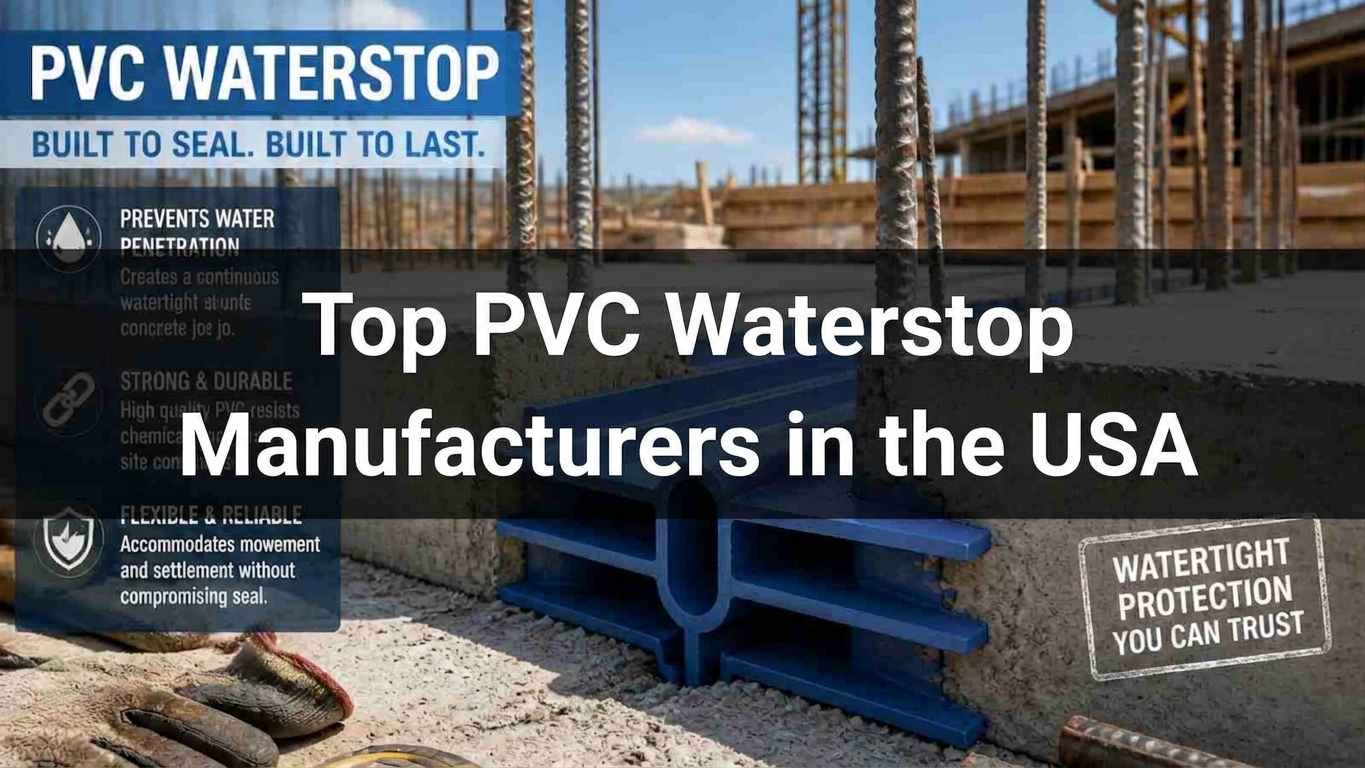 Aug 03, 2026Top 10 PVC Waterstop Manufacturers in the USA 2026
 -
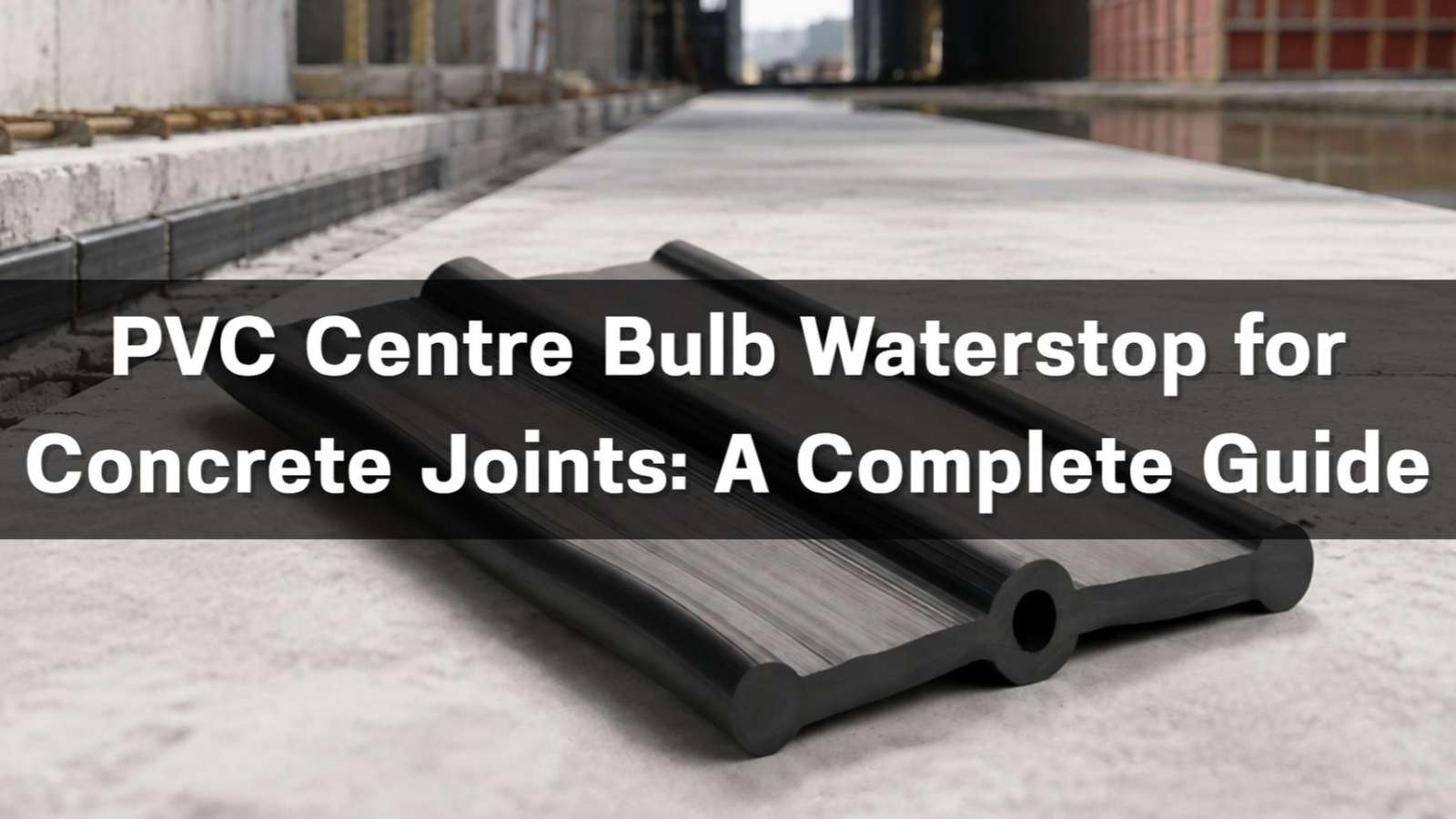 Aug 17, 2026PVC Centre Bulb Waterstop for Concrete Joints: A Complete Guide
 -
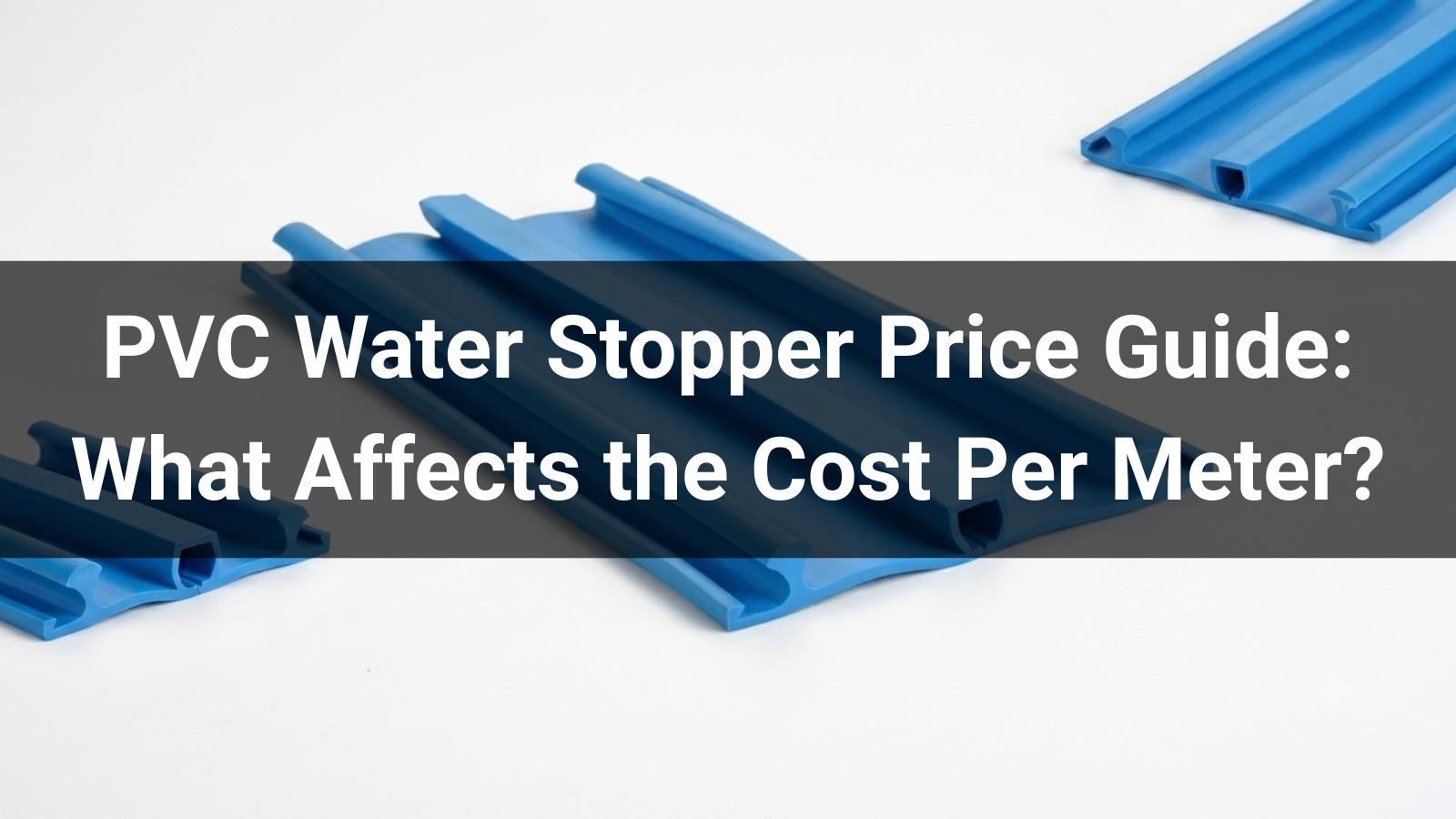 Aug 05, 2026PVC Water Stopper Price Guide: What Affects the Cost Per Meter?
 -
 Aug 07, 2026PVC Waterstop for Construction Joints: Complete Application Guide


Laster Blogs
-
Aug 17, 2026PVC Centre Bulb Waterstop for Concrete Joints: A Complete Guide
-
Aug 07, 2026PVC Waterstop for Construction Joints: Complete Application Guide
-
 Aug 06, 2026PVC Waterstop: The Complete Buying Guide (Types, Sizes, Prices)
 -
Aug 05, 2026PVC Water Stopper Price Guide: What Affects the Cost Per Meter?

Set A Consultation Today
Name can't be empty
Email error!
Send Your Message
*We respect your confidentiality and all
information are protected.