
_1795232370_WNo_1600d900.webp)
A reliable specification depends on understanding how joint movement, water pressure, concrete geometry, and installation conditions affect waterstop performance. This guide explains the main types of expansion joint waterstops, compares internal and external PVC profiles, and outlines the key factors to consider when selecting and installing a suitable system.
- What Is an Expansion Joint Waterstop?
- Why Expansion Joints Need Waterstops
- Types of Expansion Joint Waterstops
- Common Materials Used for Expansion Joint Waterstops
- Internal vs. External Expansion Joint Waterstops
- How to Choose the Right Expansion Joint Waterstop
- Expansion Joint Waterstop Installation Guide
- Common Installation and Specification Mistakes
- Applications of Expansion Joint Waterstops
- Choosing FUFUJING PVC Expansion Joint Waterstops
- Frequently Asked Questions
- Conclusion
1. What Is an Expansion Joint Waterstop?
An expansion joint waterstop is a flexible or movement-capable sealing component installed across a joint in a concrete structure to prevent water from passing through the joint while allowing the adjoining sections to move as intended by the structural design.
Concrete structures are exposed to temperature changes, drying shrinkage, creep, settlement, and other structural effects. Expansion joints are incorporated to accommodate relative movement between adjoining concrete sections. However, these joints can also become potential pathways for groundwater, rainwater, or stored liquids.
A waterstop bridges the joint and forms part of the structure's waterproofing system. Its profile, material, position, and connection details determine how it interacts with the concrete and responds to movement.
How Does an Expansion Joint Waterstop Work?
A waterstop is positioned across the joint so that water cannot freely pass through the interface between adjacent concrete sections. In an internal PVC waterstop system, the profile is embedded in the concrete, with its central movement-accommodating section aligned with the joint.
When the joint opens or closes, the center bulb can deform within its intended movement range. The ribbed wings on both sides are embedded in the surrounding concrete to help maintain the waterproof barrier and resist water migration along the concrete-waterstop interface.
External waterstops use a different installation arrangement. They are placed on the exterior face of the joint and bridge the gap from outside the concrete. Their performance depends on the profile design, substrate condition, fixing method, and coordination with other waterproofing layers.
Expansion Joints vs. Construction Joints
The type of concrete joint is one of the first things to establish before selecting a waterstop. Construction joints are generally formed when concrete placement is interrupted, while expansion joints are intentionally designed to permit relative movement between adjoining structural elements.
| Comparison | Construction Joint | Expansion Joint |
|---|---|---|
| Primary purpose | Accommodates interruptions in concrete placement | Allows relative movement between concrete sections |
| Expected movement | Generally limited, depending on structural design | Movement is intentionally accommodated |
| Typical waterstop profile | Flat-ribbed or dumbbell profile, depending on the joint design | Movement-capable profile, often with a center bulb |
| Key design concern | Embedment, bonding, and resistance to water migration | Movement capacity, profile deformation, and waterproof continuity |
A profile intended for a non-moving construction joint should not automatically be used in an expansion joint. The selected waterstop must be suitable for the joint's expected movement and the project's waterproofing requirements.
For more information about static concrete joint applications, visit the FUFUJING PVC Waterstop product range.
2. Why Expansion Joints Need Waterstops
Expansion joints are designed to provide space for structural movement. Because they interrupt the continuity of the concrete, they also create a potential route for water ingress. Without a suitable waterproofing detail, water may pass through the joint and affect the structure's interior, equipment, finishes, or surrounding materials.
Preventing Water Infiltration
Groundwater pressure, rainwater, and water from adjacent areas can drive moisture through an inadequately sealed joint. In basements, tunnels, water-retaining structures, and other below-grade applications, water infiltration can lead to damp surfaces, leakage, corrosion risks for embedded components, and costly repair work.
An appropriately specified waterstop creates a barrier across the joint. It should be considered as part of the overall waterproofing design, together with membranes, sealants, drainage provisions, and other project-specific components where required.
Accommodating Structural Movement
The defining feature of an expansion joint is its ability to accommodate relative movement. A waterstop installed across that joint must not prevent the movement that the structural design intends to allow.
A center-bulb profile provides a flexible region over the joint gap. This geometry allows the waterstop to deform as the joint changes width or experiences other anticipated displacement. The suitability of the profile depends on its actual dimensions, material properties, and verified movement capability.
Supporting Long-Term Waterproofing Performance
A waterstop is only one part of a complete joint waterproofing detail. Its effectiveness also depends on correct positioning, secure fixing, proper concrete consolidation, and continuous connections at corners and intersections.
3. Types of Expansion Joint Waterstops
Expansion joint waterstops are available in different profiles and installation configurations. The appropriate type depends on whether the waterstop is embedded within the concrete or installed on the exterior face, as well as the movement, water pressure, and construction conditions.
3.1 Internal Center-Bulb PVC Waterstops
Internal center-bulb PVC waterstops are embedded within the concrete structure. Their central bulb is aligned with the expansion joint, while the ribbed wings extend into the adjoining concrete sections.
The center bulb provides a deformable section that can accommodate joint opening, closing, and certain forms of shear displacement within the profile's intended design range. The ribs help anchor the waterstop in the concrete and create a longer path for potential water migration.
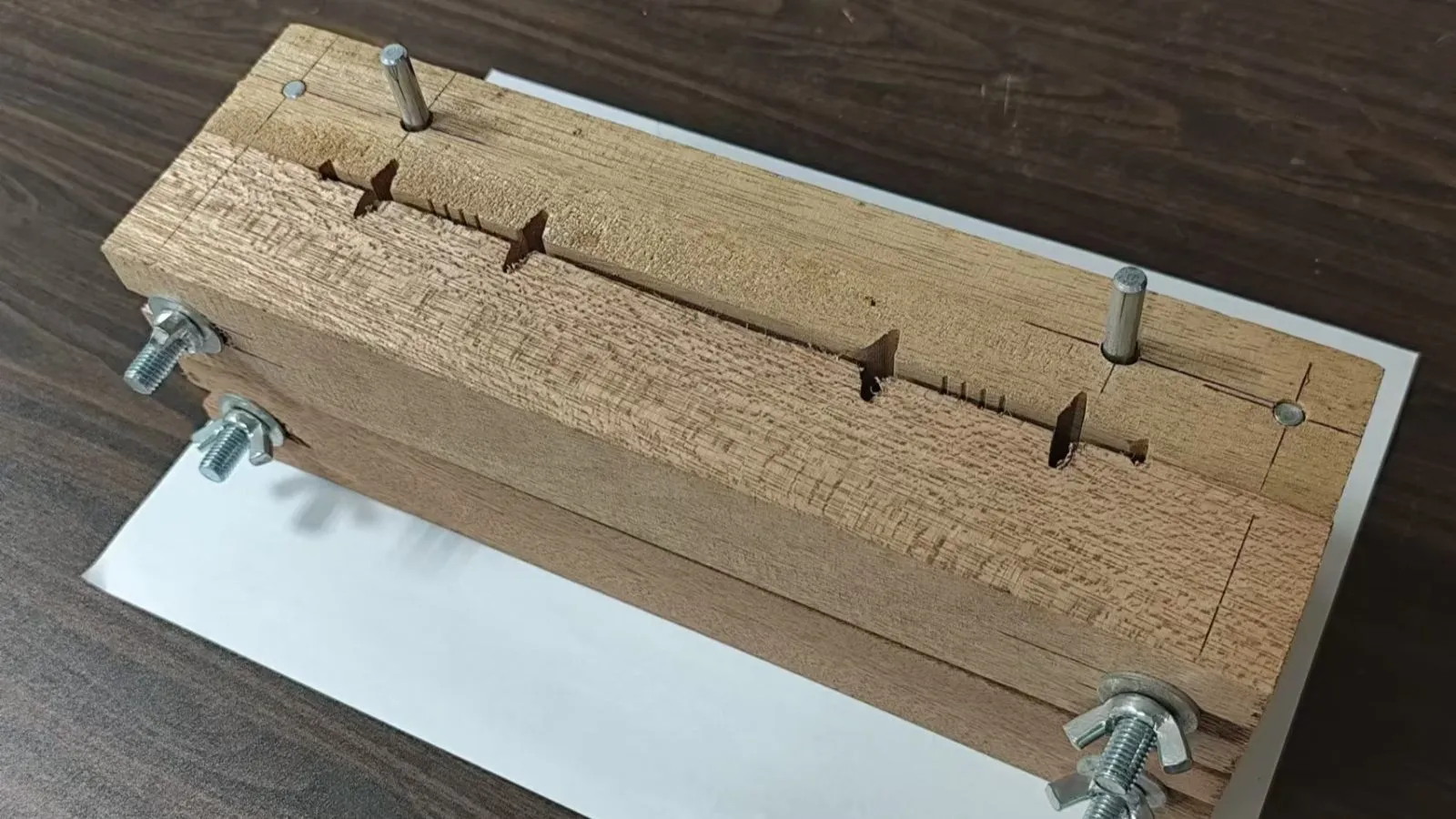
This type is commonly considered for concrete structures where the waterstop can be installed during reinforcement and formwork preparation, before concrete placement. FUFUJING offers internal expansion joint profiles such as the SO Series PVC Waterstop.
3.2 External PVC Expansion Joint Waterstops
External PVC waterstops are installed along the exterior face of a concrete joint. Instead of being embedded centrally within the concrete section, the profile bridges the joint from the outside.
This arrangement may be suitable when the waterproofing design calls for an external barrier or when the joint face is accessible during construction. The installation must account for the condition of the concrete surface, the fixing method, the profile's coverage, and the connection with adjacent waterproofing materials.
FUFUJING's KC Series External Expansion Joint Waterstop is an example of an external PVC profile for concrete movement-joint applications.
3.3 Center-Bulb and Flat-Web Profiles
PVC waterstops can also be classified by the geometry of their central section. A flat-web profile has a relatively flat center section, while a center-bulb profile incorporates a thicker, rounded or bulb-shaped section.
Flat-web profiles are generally associated with joints where little or no movement is expected, depending on the product design. Center-bulb profiles are commonly used for movement joints because the central section provides additional deformation space.
| Profile Type | General Configuration | Typical Design Consideration |
|---|---|---|
| Flat-web | Flat central section with ribs or anchoring wings | Generally considered for construction or contraction joints with limited movement |
| Center-bulb | Flexible central bulb with embedded wings | Designed for movement-joint applications where the bulb can deform |
| External profile | Profile installed across the exterior face of the joint | Requires suitable surface preparation, fixing, and waterproofing integration |
The profile name alone does not establish its performance. Always compare the manufacturer's drawings and technical information with the actual joint movement and project conditions.
3.4 Other Expansion Joint Sealing Systems
Not every expansion joint is waterproofed with an embedded PVC waterstop. Depending on the structural design and location, other systems may be used, including elastomeric joint seals, compression seals, pre-compressed foam systems, and surface-mounted joint covers.
These systems serve different functions and are not necessarily interchangeable with concrete waterstops. For example, a building facade or roof expansion joint cover is designed to bridge and protect an exposed building joint, while an internal PVC waterstop is embedded in concrete to form a barrier within the structure.
The selection should therefore begin with the joint's location and waterproofing function rather than assuming that all products described as expansion joint seals are the same type of system.
4. Common Materials Used for Expansion Joint Waterstops
Waterstop materials are selected according to the joint's movement requirements, water exposure, chemical environment, temperature, and installation method. Different materials have different physical properties and are suitable for different applications.
PVC Waterstops
Polyvinyl chloride (PVC) is widely used for concrete waterstops because it can be manufactured into flexible profiles with different widths, thicknesses, ribs, and center-bulb geometries. PVC profiles can also be heat-welded to form continuous runs and fabricated connections.
Internal PVC expansion joint waterstops are commonly designed with a center bulb that provides a movement-accommodating section. The profile's flexibility, dimensions, and compound formulation should be checked against the project's requirements.
PVC waterstops are available in internal and external configurations. For example, the FUFUJING PVC Waterstop range includes internal and external profiles for different concrete joint applications.
Rubber Waterstops
Rubber waterstops are used in some concrete joint applications where elastomeric flexibility and deformation characteristics are required. Different rubber compounds may be selected according to the expected temperature, water exposure, and chemical environment.
Rubber profiles are not automatically suitable for every expansion joint. Their dimensions, connection methods, material compatibility, and movement performance should be evaluated against the project specification.
Thermoplastic and Specialized Compounds
Some projects require waterstop materials with specific resistance to industrial liquids, wastewater constituents, or other demanding environments. Specialized thermoplastic compounds may be considered where standard PVC or rubber formulations do not meet the required compatibility criteria.
The material should be selected using product-specific technical data and relevant test results. General descriptions such as chemical-resistant or high-flexibility are not a substitute for confirming compatibility with the actual service environment.
| Material | General Characteristics | Selection Considerations |
|---|---|---|
| PVC | Flexible extruded profiles; available in different ribs, widths, and center-bulb designs; can be heat-welded | Profile geometry, movement requirements, compound properties, and welding procedure |
| Rubber | Elastomeric material with flexible deformation characteristics | Rubber compound, temperature range, chemical compatibility, and connection details |
| Specialized thermoplastics | Formulations can be developed for particular service environments | Verified chemical resistance, mechanical properties, and project-specific test data |
5. Internal vs. External Expansion Joint Waterstops
Internal and external waterstops are two common configurations for waterproofing concrete movement joints. Both aim to maintain a continuous barrier across the joint, but they differ in installation location, construction sequence, fixing method, and coordination with other waterproofing components.
Internal Expansion Joint Waterstops
Internal waterstops are installed within the concrete section. The center bulb is aligned with the joint, while the wings are embedded in the concrete on both sides.
Because the waterstop is installed before concrete placement, its position must be coordinated with reinforcement, formwork, and the concrete pouring sequence. Secure fixing is important to prevent the profile from shifting, twisting, or folding during construction.
Key considerations include:
- Accurate alignment of the center bulb with the joint gap.
- Adequate embedment of the waterstop wings on both sides.
- Secure fixing to prevent movement during concrete placement.
- Sufficient space for reinforcement and concrete consolidation.
- Reliable welding at straight joints, corners, tees, and intersections.
Internal center-bulb PVC profiles are commonly considered for basements, tunnels, water-retaining structures, and other reinforced concrete applications where the waterstop is integrated into the concrete assembly.
External Expansion Joint Waterstops
External waterstops are installed on the exterior face of the concrete joint. They bridge the joint from outside the concrete and form part of the external waterproofing arrangement.
This configuration may be appropriate where the joint face is accessible during construction or where the waterproofing design requires a barrier on the exterior surface. Installation details should address substrate preparation, profile alignment, fixing, and protection during subsequent work.
Key considerations include:
- Concrete surface condition and preparation.
- Correct profile positioning across the joint.
- Fixing or bonding in accordance with product instructions.
- Coordination with membranes, coatings, and other waterproofing layers.
- Protection against damage during backfilling or finishing work.
Internal vs. External: A Practical Comparison
| Comparison | Internal Waterstop | External Waterstop |
|---|---|---|
| Installation location | Embedded within the concrete | Installed on the exterior concrete face |
| Construction timing | Positioned before and during concrete placement | Installed when the relevant exterior surface is accessible |
| Main installation concern | Embedment, fixing, and concrete consolidation | Surface preparation, fixing, and protection |
| Inspection access | Limited after concrete placement | Accessible before covering or backfilling, depending on the sequence |
| System integration | Coordinates with reinforcement and concrete joint details | Coordinates with external membranes and sealants |
Neither configuration is universally better. The decision should be based on the structural design, water pressure direction, construction sequence, installation access, and overall waterproofing strategy.
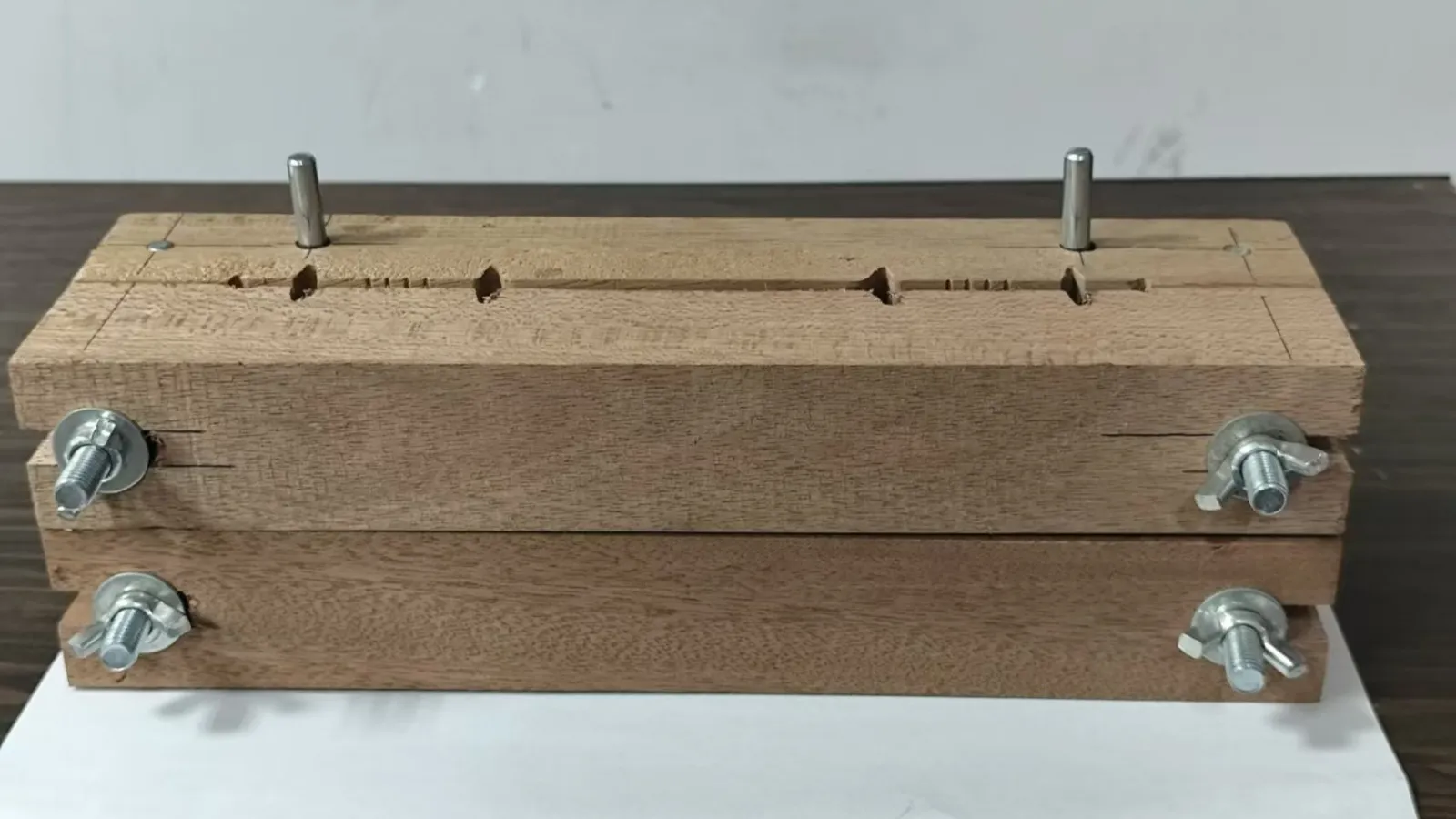
Explore FUFUJING's Internal PVC Waterstop range and PVC Waterstop product category for available profile configurations.
6. How to Choose the Right Expansion Joint Waterstop
Selecting an expansion joint waterstop requires more than matching a product width to the nominal joint dimension. The profile must be suitable for the movement envelope, concrete geometry, water pressure, material exposure, and installation arrangement.
6.1 Expected Joint Movement
Start with the movement information provided by the structural engineer. This should identify the expected maximum joint opening, maximum closing, and any lateral or transverse displacement.
Some joints experience repeated or cyclic movement as temperatures and structural loads change. Others may experience gradual movement due to settlement or long-term structural effects. The waterstop should be evaluated against the full movement conditions rather than a single nominal joint width.
A center-bulb profile is commonly considered for movement joints because its central section provides a deformable region. However, the size and shape of the bulb do not independently establish the allowable movement capacity. Refer to the manufacturer's product data and design guidance.
6.2 Joint Width and Concrete Dimensions
Joint width affects the available space for the waterstop's movement-accommodating section. Concrete thickness affects the available embedment area and the position of the waterstop relative to reinforcement and formwork.
For an internal profile, check whether the wings can be embedded adequately on both sides of the joint. The center bulb should remain aligned with the joint gap and should not be obstructed by reinforcement or formwork.
For an external profile, confirm that the concrete face provides sufficient installation space and that the profile can be integrated with the external waterproofing layers.
6.3 Hydrostatic Water Pressure
Water pressure is an important consideration in basements, tunnels, reservoirs, water treatment facilities, and other below-grade or water-retaining structures.
Identify the maximum expected water head and whether water pressure may act from one side or both sides of the joint. The waterstop should be assessed as part of the complete waterproofing detail.
Profile dimensions, material thickness, rib configuration, embedment, concrete consolidation, and splice quality can all affect the performance of the installed system. A waterstop with suitable material properties may still leak if water can migrate around the profile or through poorly executed connections.
6.4 Material and Environmental Compatibility
The waterstop material should be compatible with the service environment. For PVC profiles, review the compound's technical information and confirm whether it is suitable for the project's temperature, water exposure, and any relevant chemical conditions.
Important environmental factors include:
- Temperature: Confirm that the material is suitable for the expected operating and installation temperatures.
- Water exposure: Identify whether the waterstop will contact groundwater, treated water, seawater, or other liquids.
- Chemical exposure: Review compatibility with wastewater constituents, cleaning agents, or process chemicals where applicable.
- Mechanical requirements: Check relevant tensile strength, elongation, hardness, and other specified properties.
- Project requirements: Confirm any required certifications, test methods, or material approvals.
6.5 Installation Position and Accessibility
The installation position influences the waterstop configuration and construction sequence. Internal profiles are installed before concrete placement, while external profiles are fixed to the exterior face of the joint.
For internal installation, review reinforcement congestion, fixing arrangements, formwork access, and concrete consolidation. For external installation, review substrate preparation, fixing methods, protection, and integration with membranes or sealants.
6.6 Profile Geometry and Connection Details
The cross-sectional shape of the waterstop should match the joint's intended function. A center-bulb profile may be suitable for a movement joint, while a flat-web profile may be intended for a joint with limited movement.
The design should also consider how the waterstop will connect at corners, tees, crosses, changes in direction, and terminations. These details are important because an otherwise suitable straight profile cannot provide a continuous barrier if its connections are incomplete or poorly fabricated.
| Selection Factor | Information to Confirm | Why It Matters |
|---|---|---|
| Movement | Opening, closing, lateral, and transverse displacement | Determines whether the profile can accommodate the joint movement |
| Joint geometry | Joint width, concrete thickness, and reinforcement layout | Confirms profile fit and installation feasibility |
| Water pressure | Design water head and pressure direction | Helps establish waterproofing requirements |
| Material | Temperature, chemical exposure, and service environment | Confirms material compatibility |
| Installation | Internal or external position, access, and fixing method | Reduces installation and detailing risks |
| Connections | Straight joints, corners, tees, crosses, and terminations | Helps maintain waterproof continuity |
7. Expansion Joint Waterstop Installation Guide
Correct installation is essential to the performance of an expansion joint waterstop. Even a suitable profile may fail to provide the intended waterproofing barrier if it is incorrectly positioned, damaged, or poorly connected.
The following steps provide a general overview for PVC waterstop installation. The actual procedure should always follow the approved project drawings, product instructions, and construction method statement.
Step 1: Review Drawings and Prepare the Joint
Before installation, review the structural drawings and confirm the joint type, waterstop position, profile dimensions, and required connections. Check the movement requirements and verify that the selected profile matches the design.
Confirm the installation sequence with the reinforcement and formwork teams. For external waterstops, prepare the concrete surface according to the specified fixing or bonding method.
Step 2: Inspect the Waterstop Profile
Check the waterstop before installation for cuts, tears, deformation, contamination, or other visible damage. Confirm that the profile dimensions and material correspond to the approved product documentation.
Damaged or unsuitable sections should not be installed without review and approval. Store the material in a way that prevents unnecessary bending, crushing, or exposure to conditions outside the manufacturer's recommendations.
Step 3: Position and Align the Waterstop
For internal center-bulb profiles, align the center bulb with the designed joint gap. The wings should extend into the adjoining concrete sections as shown in the approved detail.
For external profiles, align the waterstop across the exterior joint face and confirm that it provides the required coverage. Check the position at corners and changes in direction before fixing.
Step 4: Secure the Waterstop
Fix the waterstop using the method recommended for the selected profile and installation arrangement. The fixing method should hold the profile in position without puncturing, cutting, or excessively deforming the material.
Internal waterstops should be supported so that they do not shift, twist, or fold during reinforcement work and concrete placement. External waterstops should be secured in accordance with the product instructions and the prepared substrate.
Step 5: Weld PVC Waterstop Connections
PVC waterstop runs may require connections at straight joints, corners, tees, crosses, and other intersections. These connections should be made using a suitable hot-welding procedure and compatible equipment.
The joining surfaces should be prepared as instructed. During welding, maintain the required alignment and heating conditions to produce a continuous connection without burning, excessive deformation, or incomplete fusion.
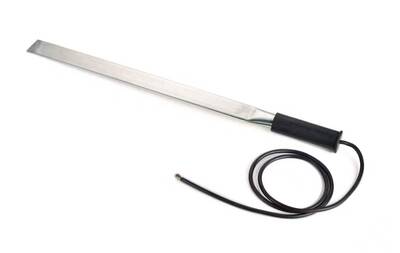
FUFUJING supplies PVC Waterstop Heater Blades and PVC Waterstop Jointing Jigs for PVC waterstop connection work.
Step 6: Inspect Before Concrete Placement
Before pouring concrete, inspect the complete waterstop run. Check alignment, fixing, profile condition, and all welded connections. Confirm that the center bulb is not obstructed and that the waterstop has not been damaged during reinforcement or formwork work.
Any defects or uncertain connections should be reviewed and corrected before they become inaccessible.
Step 7: Place and Consolidate Concrete Carefully
During concrete placement, take care to avoid displacing or damaging the waterstop. Concrete should be placed and consolidated so that voids and honeycombing do not form around the embedded wings.
Follow the approved concrete placement method and ensure that the waterstop remains in its intended position throughout the pour. Particular attention may be required in congested reinforcement areas and around horizontal profiles.
8. Common Installation and Specification Mistakes
Waterstop leakage is not always caused by material failure. An unsuitable profile, incorrect positioning, poor concrete consolidation, or discontinuities at connections can also compromise the waterproofing system.
Using a Static-Joint Profile for a Moving Joint
A flat-web or dumbbell profile intended for a non-moving construction joint may not provide the deformation capacity required by an expansion joint. If the profile is forced to accommodate movement beyond its intended design, excessive stress may develop in the material or at the embedded sections.
Select the profile according to the actual joint function and movement requirements rather than relying on its nominal width or general appearance.
Ignoring the Full Movement Range
Considering only the nominal joint width can lead to an incomplete specification. The joint may open, close, or experience lateral displacement during the structure's service life.
Review the complete movement envelope and compare it with the manufacturer's documented product information.
Incorrect Waterstop Alignment
An internal waterstop that is installed off-center, twisted, or folded may not function as intended. Incorrect alignment can reduce embedment on one side or interfere with the center bulb's ability to deform.
Check the position against the structural drawings and secure the profile before concrete placement.
Poor Concrete Consolidation
Voids and honeycombing around an embedded waterstop can create pathways for water migration. Concrete should be placed and consolidated carefully around the profile without displacing or damaging it.
Inadequate Welding at Connections
Straight joints, corners, tees, and crosses must be connected properly to maintain a continuous waterstop barrier. Poorly aligned or incompletely fused PVC connections can become weak points in the waterproofing system.
Use compatible welding equipment and follow the manufacturer's recommended joining procedure. Inspect the finished connections before installation proceeds.
Failing to Coordinate with Other Waterproofing Components
External waterstops may need to connect with membranes, coatings, sealants, or other waterproofing components. If these transitions are not detailed correctly, water may bypass the waterstop through an adjacent interface.
Review the complete joint detail and coordinate the waterstop with the surrounding waterproofing system before construction begins.
9. Applications of Expansion Joint Waterstops
Expansion joint waterstops are used in concrete structures where joints must accommodate movement while maintaining a waterproof barrier. The required profile and installation configuration depend on the structure's function, water exposure, and design conditions.
Basements and Underground Structures
Basement walls, underground parking structures, and foundation systems may be exposed to groundwater pressure. Expansion joint waterstops help prevent water from passing through movement joints in these below-grade concrete structures.
Tunnels and Underground Infrastructure
Tunnels and underground infrastructure can experience groundwater exposure, structural movement, and changing environmental conditions. Waterstop selection should account for joint movement, water pressure, construction sequence, and accessibility.
Dams, Reservoirs, and Water-Retaining Structures
Dams, reservoirs, water tanks, and similar structures require reliable joint waterproofing to limit leakage. Waterstop design should consider the water head, joint movement, and any project-specific liquid exposure requirements.
Water and Wastewater Treatment Facilities
Treatment tanks, channels, basins, and other concrete process structures may contain water or wastewater and can be exposed to specific chemical conditions. The waterstop material should be checked for compatibility with the liquids and service environment.
Bridges and Civil Infrastructure
Certain bridge and civil infrastructure components include concrete joints that need to accommodate movement caused by temperature changes, loading, or structural behavior. The waterproofing arrangement should be designed for the specific joint location and exposure conditions.
| Application | Typical Waterproofing Concern | Key Selection Consideration |
|---|---|---|
| Basements | Groundwater infiltration through below-grade joints | Water pressure, joint movement, and installation position |
| Tunnels | Groundwater exposure and movement at concrete segments | Joint geometry, movement range, and construction sequence |
| Dams and reservoirs | Leakage from water-retaining concrete structures | Water head, material compatibility, and connection continuity |
| Water treatment facilities | Water and possible chemical exposure | Material properties and service environment |
| Bridges and civil works | Movement and weather exposure at structural joints | Joint movement, exposure, and waterproofing detail |
10. Choosing FUFUJING PVC Expansion Joint Waterstops
Selecting a waterstop manufacturer is an important part of preparing a reliable concrete joint waterproofing specification. Buyers and project teams should review the available profile configurations, technical documentation, material information, and support for installation and connections.
FUFUJING supplies PVC waterstop products for concrete joint waterproofing, including internal and external waterstop profiles, water-swelling rubber strips, and PVC waterstop jointing tools.
Internal Expansion Joint Waterstop Options
Internal PVC waterstops are embedded within the concrete and are selected according to the joint's movement requirements and structural details. Center-bulb profiles provide a movement-accommodating section across the joint.
FUFUJING offers internal expansion joint profiles including:
- SO Series PVC Waterstop: An internal center-bulb expansion joint waterstop for reinforced concrete structures. Its central bulb is designed to flex as the joint experiences movement within the profile's intended range.
- BC Series PVC Waterstop: Another internal expansion joint profile in the FUFUJING product range. Confirm the relevant cross-section and technical information against the project requirements.
External Expansion Joint Waterstop Options
External PVC waterstops are installed on the exterior face of a concrete joint. Their selection should account for the joint width, available installation surface, fixing method, and integration with other waterproofing components.
- KC Series PVC Waterstop: An external expansion joint profile intended for exterior-face installation in concrete movement joints.
- DR Series PVC Waterstop: An external expansion joint product in the FUFUJING range. Review the product drawing and technical details to confirm suitability for the intended installation.
The appropriate model should be selected by comparing its profile dimensions and technical documentation with the structural joint detail. Product names or nominal widths alone are not sufficient to establish suitability.
Waterstop Jointing Tools and Accessories
PVC waterstop connections are important to the continuity of the waterproofing barrier. Straight joints and fabricated intersections should be prepared using suitable equipment and an appropriate joining procedure.
FUFUJING also supplies PVC Waterstop Heater Blades and PVC Waterstop Jointing Jigs for waterstop connection work.
What Information Should You Provide When Requesting a Quote?
To help identify a suitable waterstop profile, provide the manufacturer with the project information below:
- Project type and concrete structure application.
- Joint classification and installation location.
- Nominal joint width and concrete thickness.
- Expected opening, closing, and lateral movement.
- Design water pressure or hydrostatic head.
- Waterstop material and relevant exposure conditions.
- Required profile dimensions or cross-sectional drawings.
- Connection details, including corners, tees, and intersections.
- Applicable project standards and documentation requirements.
Providing structural drawings and project conditions allows the manufacturer to review the requirements more accurately than selecting a waterstop based on nominal width alone.
Visit FUFUJING's PVC Waterstop product page to review the available product categories and discuss your project requirements.
11. Frequently Asked Questions
1. What is an expansion joint waterstop?
An expansion joint waterstop is a sealing component installed across a concrete movement joint to prevent water infiltration while accommodating the relative movement of adjoining concrete sections.
2. What type of waterstop is used for expansion joints?
Internal center-bulb PVC waterstops and external expansion joint profiles are common options. The appropriate type depends on joint movement, installation position, water pressure, and the structural waterproofing design.
3. Why does an expansion joint waterstop have a center bulb?
The center bulb provides a flexible section over the joint gap. It can deform as the joint opens, closes, or experiences certain displacement, helping the waterstop accommodate movement within its intended design range.
4. What is the difference between internal and external waterstops?
Internal waterstops are embedded within the concrete, while external waterstops are installed on the exterior face of the joint. They have different installation sequences, fixing requirements, and waterproofing details.
5. Can PVC waterstops be used for moving concrete joints?
Yes. PVC waterstops with suitable movement-joint profiles, such as center-bulb configurations, are used in concrete movement joints. The selected profile must be verified against the expected joint movement and project conditions.
6. How are PVC waterstop joints connected?
PVC waterstop connections are commonly made by heat welding with suitable equipment. The joining surfaces, alignment, and welding procedure should follow the manufacturer's instructions and project requirements.
7. How do I choose the correct waterstop width?
Waterstop width should be selected according to joint geometry, embedment requirements, water pressure, and the profile's design. The nominal joint width alone is not enough to determine the correct product.
8. Where are expansion joint waterstops commonly used?
They are used in basements, tunnels, dams, reservoirs, water treatment facilities, and other concrete structures where movement joints need waterproofing.
12. Conclusion
Selecting the right expansion joint waterstop requires a clear understanding of how the concrete joint will move, how much water pressure the system must resist, and how the waterstop will be installed within the overall waterproofing assembly.
The most important considerations include the expected movement range, joint geometry, hydrostatic pressure, material compatibility, profile configuration, and installation position. Internal center-bulb profiles and external PVC waterstops offer different installation arrangements, so the appropriate solution should be selected according to the structural design and project conditions.
Proper fixing, concrete consolidation, welding, and treatment of corners and intersections are equally important for maintaining a continuous waterproofing barrier. Reviewing the product drawings and technical documentation before installation can help reduce specification and construction risks.
For internal and external PVC expansion joint waterstop options, explore FUFUJING's PVC Waterstop product range. Visit FUFUJING's official website or contact the team with your project drawings, joint dimensions, and technical requirements to discuss a suitable waterstop solution.


